Events
Email Briefings
Home
Politics
Business
Technology
Energy
Gulf
China
Africa
Security
Media
CEO Signal
Semafor World Economy
Events
Email Briefings
Shows
About
Speakers Bureau
Careers
Privacy
© 2026 Semafor Inc.
Home
Politics
Business
Technology
Energy
Gulf
China
Africa
Security
Media
CEO Signal
Semafor World Economy
Events
Email Briefings
Shows
About
Speaker Bureau
Careers
Privacy
© 2026 Semafor Inc.
D.C.
BXL
Lagos
Riyadh
Beijing
SG
Events
Email Briefings
Intelligence for the New World Economy
D.C.
BXL
Lagos
Riyadh
Beijing
SG
Intelligence for the New World Economy
Home
Politics
Business
Technology
Energy
Gulf
China
Africa
Security
Media
CEO Signal
Semafor World Economy
Events
Email Briefings
Shows
About
Speakers Bureau
Careers
Privacy
© 2026 Semafor Inc.
Home
Politics
Business
Technology
Energy
Gulf
China
Africa
Security
Media
CEO Signal
Semafor World Economy
Politics
🟡 PM Semafor Washington, DC: Battleground Kansas
In this afternoon’s edition: Vice President JD Vance wouldn’t watch an execution livestream and Donald Trump’s feelings about Zohran Mamdani are tested.
→
Sign up for Semafor Washington, DC:
What the White House is reading.
Email address
Sign Up
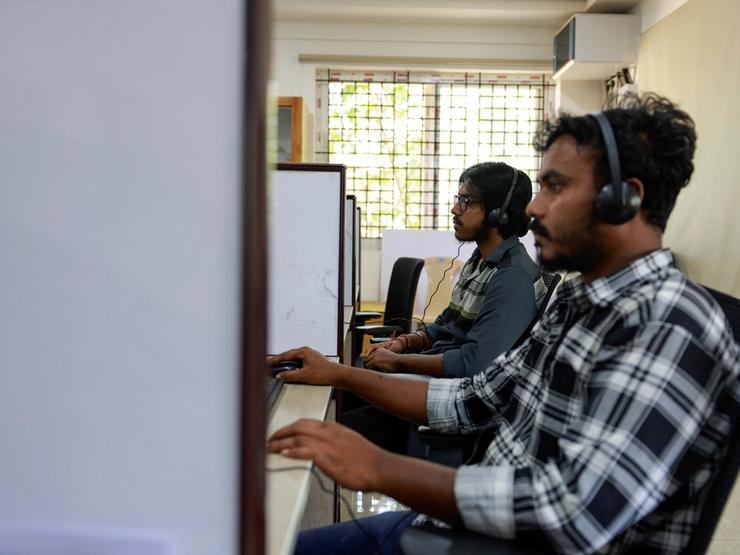
India hits out at Washington criticism as ties fray further
The dispute is one of a number of risks to India’s IT sector, which contributes roughly 7% of the country’s GDP.
Navesh Chitrakar/Reuters
Democrats unite around Hegseth impeachment push
Given the bruising memories of President Trump’s two trials, targeting Cabinet secretaries could be a pressure release valve.
Eric Lee/Reuters
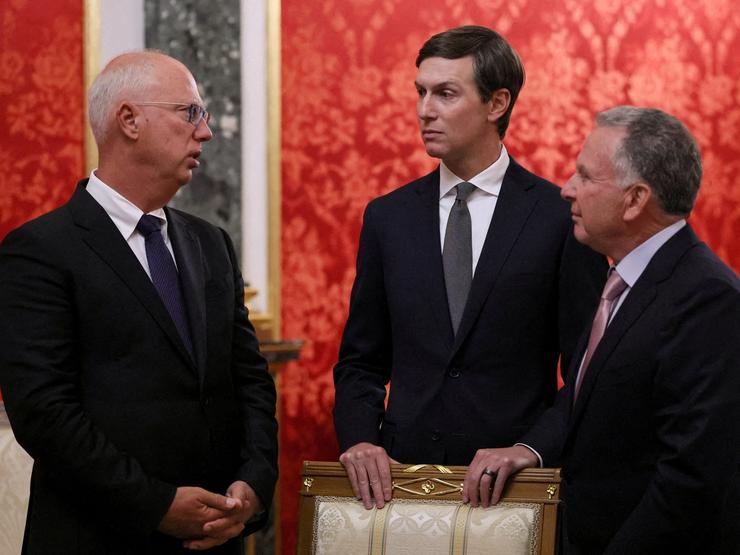
US, Russian officials discuss Nord Stream investment: Report
Top US and Russian officials have discussed selling part of the suspended Nord Stream pipeline to an American investor, Reuters reported.
Sputnik/Mikhail Metzel/Pool via Reuters
Trump says US will not strike Iran before midterms
Oil markets largely shrugged off US President Donald Trump’s pledge on Thursday not to strike Iran before November’s midterm election.
Stringer/Reuters
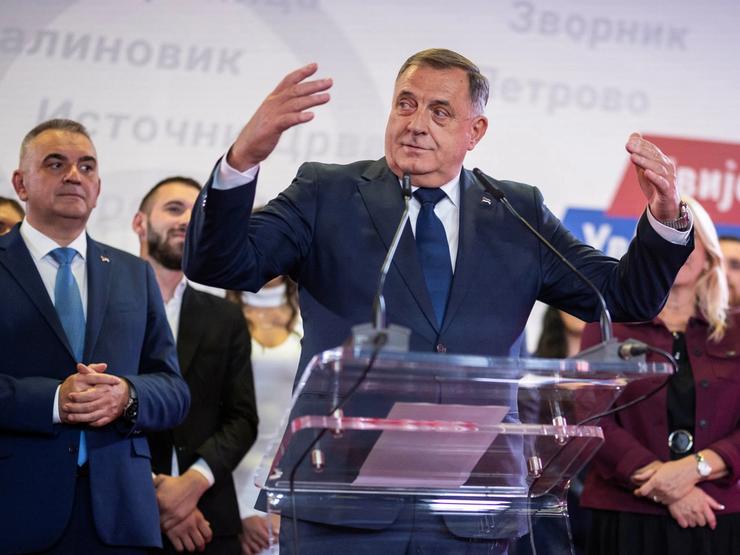
Trump-tied firm helped organize political advisers’ Balkans travel
Chris LaCivita and James Blair’s trip to the Balkans occurred after former Trump campaign adviser Alex Garcia initially reached out, multiple people told Semafor.
Marko Djurica/Reuters
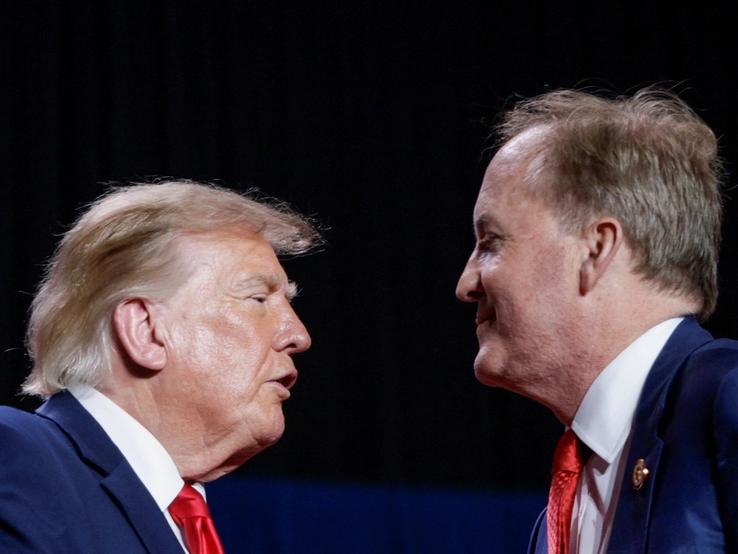
‘Got to be more careful’: Paxton leaks prompt Republican handwringing
The Senate nominee’s campaign isn’t fatally wounded, but this week has exacerbated perceptions of disarray in a tight race.
Evan Vucci/Reuters
Trump administration blocks tech companies from visa program
Vice President JD Vance headlined an event that also announced a massive visa fraud probe of universities.
FTC advancing on its AI safety probe
The agency still faces questions about how deep its investigation will get, given the Trump administration’s light touch.
Fewer Americans support companies taking stances on hot-button issues: poll
Forty-seven percent of Americans support businesses taking stances on current events, per Gallup — down from a high of 51% last year.
Republican leadership of Senate health panel in doubt
It’s unclear who will replace Louisiana Sen. Bill Cassidy as the top Republican on the Senate HELP Committee.
How Democrats can win the Latino vote
Polling by Voto Latino shared shows 40% of Latinos backing Democrats on the generic ballot, while just 21% support Republicans.
Senate rules would change under sweeping bipartisan proposal
Sens. Steve Daines, R-Mont., and Jeff Merkley, D-Ore., want to make it easier for the body to pass popular bills.
US ‘unapologetic’ in ‘pursuit of national power,’ Rubio says
The US’ top diplomat made the case for NATO allies to build self-reliance at a speech in Athens.
The five takes that will define this midterm campaign
Many different kinds of Democrats are grabbing credit for midterm victories that aren’t official yet. Here’s your guide to the pre-spin cycle.
Is ‘abundance’ really dead?
The movement faced a wall of progressive resistance, but some Democrats are still embracing its ideas.
Unions look beyond their rolls to build a new movement
State labor groups are rolling out a broad populist agenda.
Gallego rolls out ambitious plan to insulate workers against AI
The Arizona Democratic senator talked about his agenda with Semafor — but demurred on how he’ll handle 2028.
Trump haters are more confident in election integrity, poll finds
Sixty-three percent of Democrats say they have confidence in election integrity, according to Gallup polling.