




Yinka’s view
The White House’s Africa strategy under President Donald Trump’s second term has suffered from a basic tension: Washington wants a more transactional relationship centered on trade, investment, and critical minerals, while dismantling the tools that gave it leverage on the continent.
But recent moves suggest some Republicans recognize the gap between ambition and capability. Frank Garcia was finally sworn in as assistant secretary of state for African affairs after months of the position remaining vacant, while lawmakers introduced legislation to expand the State Department’s Africa expertise — an implicit acknowledgment that a deals-focused strategy requires more diplomatic capacity, not less.
The Trump administration came into office determined to move beyond aid dependency, most notably shutting down USAID, shifting to commercial diplomacy and strategic interests. There is a logic to that. However, Washington underestimated how much its influence depended on the wider relationship surrounding those transactions.
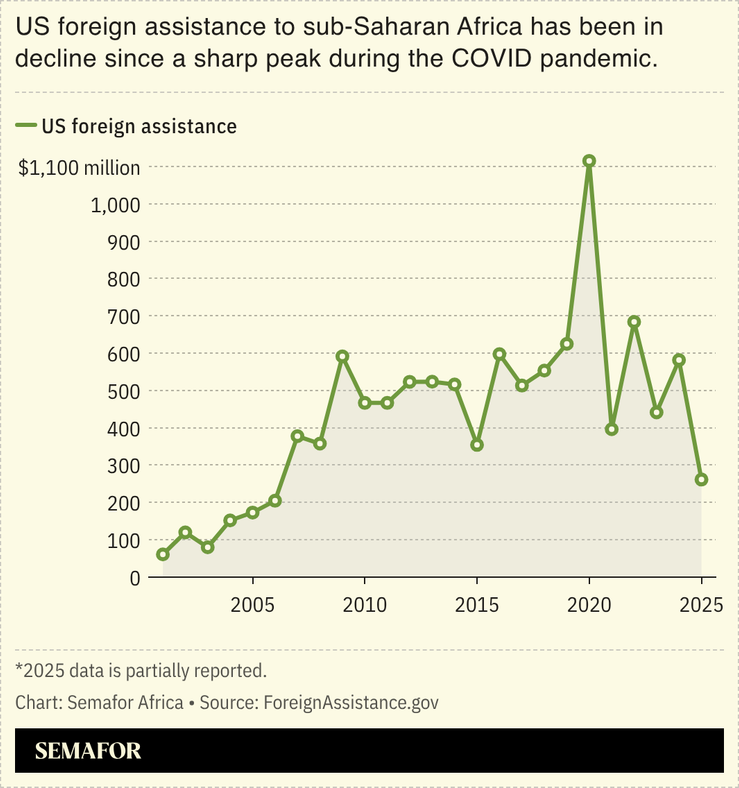
For decades, the US offered African governments a package combining aid, security cooperation, educational exchanges, and diplomatic engagement. Leaders did not always welcome American pressure, but accepted it because the relationship delivered benefits beyond any single negotiation. The administration has narrowed that offer while expecting the same leverage.
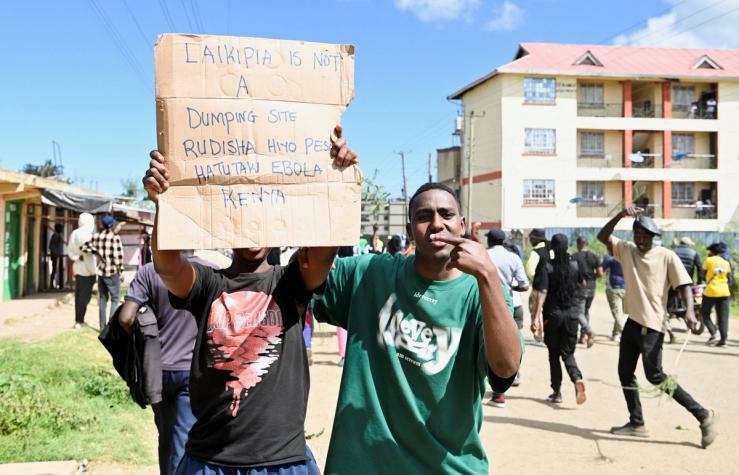
The consequences are becoming clear. Efforts to secure cooperation on minerals and other strategic priorities have met resistance across the continent. Governments are increasingly unwilling to accept one-sided arrangements, nor are their citizens — Kenyans have been protesting against plans for a US Ebola center in one of its cities.
Washington has compounded the problem through its treatment of Africans. Visa restrictions have expanded and US visa hubs on the continent have been slashed. Efforts to offload deported migrants have reinforced perceptions that the continent is seen through migration and resource extraction. These are not mere public relations problems. What the US has historically offered is access — universities, networks, professional exchanges, legal travel. Restricting those channels weakens influence competitors have struggled to match.
The irony is that transactional diplomacy demands more expertise than the aid model it replaces. Negotiating mineral agreements, technology partnerships, infrastructure investments, and security arrangements demands officials who understand local politics, maintain long-term relationships, and know where compromise is possible. That is precisely why Garcia’s appointment and the push to rebuild Africa expertise matter.
The administration is right that Africa should be a strategic partner, not an aid recipient. But in a continent with more options than ever as the United Arab Emirates, Saudi Arabia, Türkiye, and others join China in an updated 21st Century relationship with African states, the leverage belongs to the side willing to invest beyond the next deal. The likely outcome is not withdrawal but gradual erosion of influence in favor of rivals playing the longer game.

Notable
- Human Rights Watch accused the US of conditioning lifesaving health assistance on access to surveillance data in bilateral health agreements with several countries, including Ethiopia and Rwanda.