




The News
An energy price spike in Nigeria is renewing fears of an inflation rise and concerns that Africa’s top oil producer remains vulnerable to global shocks despite growing domestic refining capacity led by a giant facility owned by the continent’s richest man Aliko Dangote.
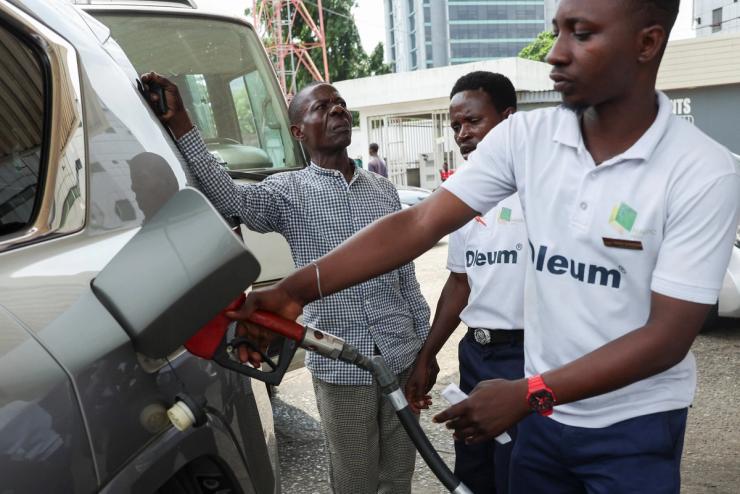
The Dangote Refinery, whose shares went on sale on Monday to kick off Africa’s largest initial public offering, raised its wholesale petrol price by 7% late last week. The move set off increases of up to 5% across pump stations in Lagos and the capital Abuja. Much larger increases are expected in northern towns and rural areas.
Nigeria Labour Congress, the top national union of government employees, warned on Wednesday that rising fuel prices risked imposing “incalculable damage” on wages, and could cause household expenses at the beginning of a new school year to rise sharply alongside higher transport costs. The union acknowledged that the Iran war is raising global oil prices, but wondered why Nigeria had to suffer a “bleak situation” given its domestic oil production and refining capacities.
“We are deserving of a certain level of protection or buffer against the gales from the Gulf,” Joe Ajaero, head of the labor union that represents four million Nigerian workers, said. President Bola Tinubu ended Nigeria’s decades-old fuel subsidy scheme in 2023. Fuel prices have risen five-fold since, sparking a cost-of-living crisis that has become a key campaign issue ahead of an election in January in which Tinubu will seek a second term.
Nigeria’s inflation rate slowed marginally to 15.39% in August, on the back of improved food supply and exchange rate stability. The decline raises the prospect of an interest rate cut by the central bank at next week’s monetary policy committee meeting, the penultimate one for this year.
But overall price levels tend to rise in Nigeria with higher fuel prices. Lagos-based Coronation Merchant Bank warned that “sustained higher energy costs could feed into fuel and transport prices, slowing the pace of disinflation.” Investment firm CardinalStone expects that the central bank will hold the rate steady due to a still high chance of “further energy-price volatility” in Nigeria.

Know More
Nigerians consume around 50 million liters of petrol per day. The Dangote Refinery has often insisted that its fully operational 700,000 barrels-a-day plant can fulfill this demand.
In the first six months of this year, Dangote and a handful of far smaller Nigerian refineries supplied nearly 80% of the petrol that was available in the country, according to data from Nigerian Midstream and Downstream Petroleum Regulatory Authority (NMDPRA), the government’s fuel regulator. Imports, formerly Nigeria’s main source of petrol before Dangote, declined from accounting for 60% of domestic supply all of last year to just over 20% between January and July in 2026, per the agency’s data.
But multiple petrol price increases in Nigeria this year — including the highest rise of any country in the first weeks after the war started — point to a link between both Nigeria’s refineries and fuel importers to global oil price increases. The price of Brent crude, the oil benchmark Nigeria favors, has risen more than 70% since January to more than $100 this month.
Up to 40% of the crude used by the Dangote Refinery comes from outside the country, while a similar share is sourced from a government scheme that sells in the local currency. A year-long rise in the oil price consequently affects both Dangote and the international oil refineries from whom Nigerian fuel importers buy their products. The latter group’s landing costs have gone up this month after slowing during the period of Iran war ceasefires.
In the background of the dilemma over rising fuel prices, Nigeria’s energy market remains gripped by a years-long tension tied to the uneasy co-existence of petrol imports alongside a thriving refinery sector.

Step Back
Dangote, the billionaire industrialist, has opposed imports since before his refinery began supplying fuels in 2024. His company argued in a May lawsuit against licenses issued by the regulator NMDPRA that fuel imports undermine the refinery’s investment and make the domestic market inefficient. Importers have countered that they are necessary to ensure supply diversity, security and competition.
David Bird, CEO of the Dangote Refinery, says the company’s contention is largely over offering high quality fuels at a fair price to Nigerian consumers, and blames the regulator for the tensions. “The tragedy for Nigerians is that there is not a regulator where you can have confidence in their institution that it is driving product quality compliance,” Bird told Semafor in an interview last week, ahead of the company’s IPO launch.
“If the regulator is allowing some pretty rubbishy Russian material that can’t find a home anywhere else in the world, then how can we compete? We’re against imports until we have confidence that the regulator is driving compliance to product quality,” he said.
NMDPRA did not respond to a request for comment.
Nigerian regulators should rule according to what is ultimately best for consumers, Adedayo Ademuwagun, an analyst for London-based Songhai Advisory, told Semafor. “If an importer can supply quality fuel at a lower price, why should the government force a teacher in Lagos to pay more for locally refined fuel?”

Notable
- Arise News, a private television station, spoke to Nigerians in Abuja who decried “outrageous” fuel prices this week.