




The News
American and Saudi strikes on Iran-backed militias this week laid bare the dilemma at the heart of the Trump administration’s Iraq policy: Washington wants to pull Baghdad closer, but Iraq remains on the front lines of a widening confrontation with Iran.
Following US-Saudi strikes in eastern Iraq, President Donald Trump told Fox News the operation had been “coordinated” with the Iraqi government, but within hours, Iraqi leadership condemned the strikes.
The dueling messages demonstrated the political bind facing Iraqi Prime Minister Ali al-Zaidi, the businessman-turned-politician who has sought to strengthen ties with Washington by pledging to rein in powerful Iran-backed militias that continue to wield significant influence inside Iraq.
“Such a claim from the president, whether true or not, is deeply challenging for the prime minister,” said Victoria Taylor, director of the Iraq Initiative at the Atlantic Council. “It would be politically untenable for any Iraqi government official to suggest that they had greenlit a foreign force attacking on Iraqi soil.”

Know More
Taylor said it is “extremely unlikely” Iraqi officials were given advance notice of the strikes, noting there is little precedent for Washington to share operational intelligence before attacks on militia targets because of concerns information could leak through militia-linked figures embedded within Iraq’s security apparatus.
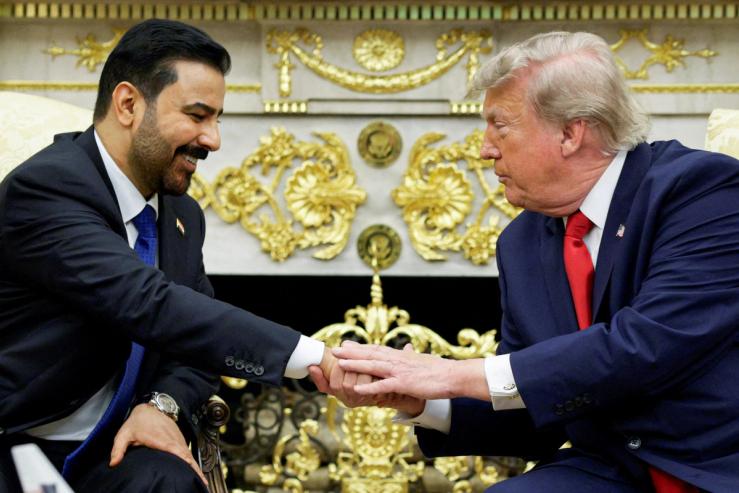
The escalation comes just two weeks after Zaidi visited Washington, where he was warmly received by Trump. The two sides announced roughly $60 billion in commercial agreements between US companies and the Iraqi government and private businesses. Zaidi also pledged to move towards disarming militias by September.
The strikes exposed a central challenge confronting both Baghdad and Washington: Iraq cannot be insulated from the broader confrontation with Iran, Taylor argued.
“At a moment when tensions remain high with Iran, the Iraqi militias remain an important tool of Iranian influence and pressure, not only on the United States, but on the Gulf countries as well,” Taylor said.
The strikes derailed Iraq’s diplomatic outreach almost immediately: Zaidi canceled an official trip to Saudi Arabia that had been scheduled for today, shelving a visit meant to build on weeks of efforts to repair relations with Riyadh.