




The News
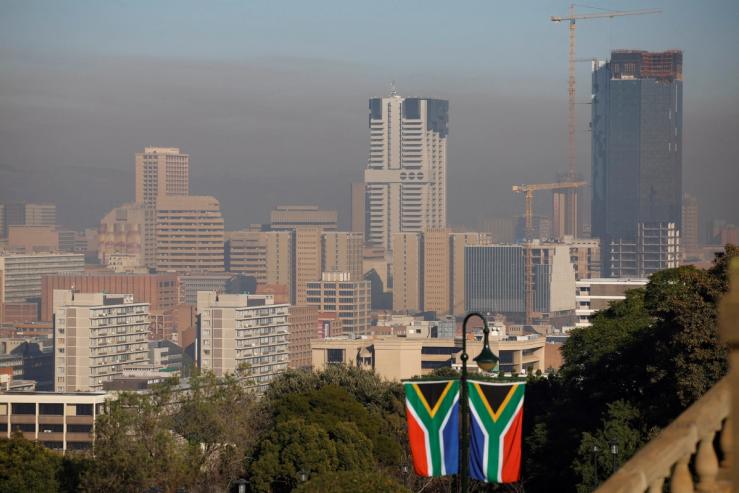
South Africa recorded modest growth of 0.5% in the first three months of the year, showing the extent to which Africa’s biggest economy remains exposed to the Middle East energy shock.
The stagnation is feeding into a volatile social environment, where nearly one in three is jobless. Public anger over rising living costs and weak job creation has already spilled into xenophobic flashpoints in several communities in recent months, promoting President Cyril Ramaphosa to address the nation this week.
Official numbers show an economy propped up by financial services and agriculture while household consumption grew at its slowest rate in two years as households cut back on travel and discretionary goods. Investment fell slightly, reflecting caution among businesses and undermining Ramaphosa’s efforts to spark a private-sector-led recovery.
The figures capture economic activity before the full impact of the Middle East energy shock, triggered by the US-Iran conflict, filtered through, and the interest rate hike earlier this month that would further erode consumer spending.

Know More
The economy had been on a structural turnaround since late 2024, notching up six straight quarterly expansions, and signalling its most stable period of growth in a decade thanks to easing electricity supply and gradual stabilization of public finances.
But the gains are set to be erased in the coming quarters, economists said.“We view the near-term outlook as increasingly challenging as rising inflation pressures stemming from the Middle East conflict-related supply disruptions weigh on household consumption and investment intentions,” said Gina Schoeman, an economist at Citi.
David Omojomolo, an economist at Capital Economics, said the first quarter data showed “weakness under the hood”, citing slower household spending — the country’s economic engine which “will make the Reserve Bank cautious
about delivering aggressive interest rate hikes.”
Goldman Sachs expects the central bank to deliver two more interest rate hikes this year to contain runaway inflation after last month’s 25-basis point hike.

Notable
- Kenya’s economy is projected to achieve GDP growth of between 4.5% and 4.9% this year, building on an estimated growth of around 4.6% in 2025 and cementing Kenya as one of the fastest-growing economies in East Africa.