




Yinka’s view
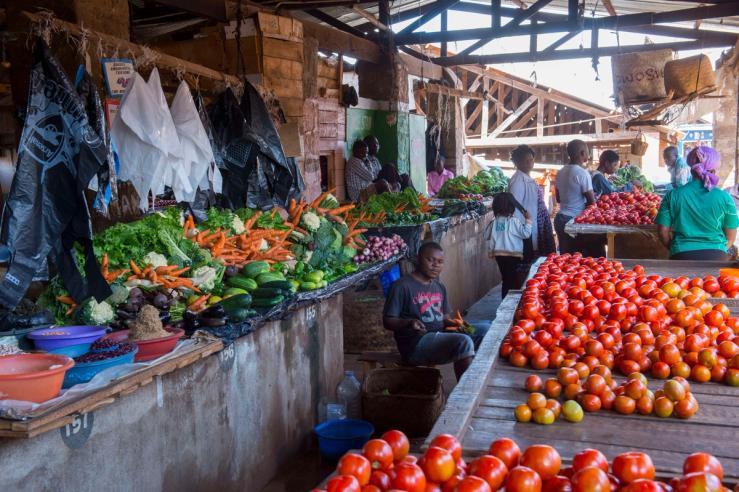
In much of Africa, the informal economy is not a side story to the formal economy — it is the economy. Nearly 90% of jobs in sub-Saharan Africa are informal, spanning everyone from market traders to small manufacturers.
That reality sits at the heart of a growing contradiction across the continent. African countries have some of the world’s lowest tax-to-GDP ratios, about half the OECD average of 30%, limiting governments’ ability to fund infrastructure, healthcare, and public services. Under pressure from rising debt burdens and tighter global financing conditions, governments from Nigeria to Kenya and Senegal are aggressively trying to expand domestic tax collection — often with a sharp focus on the informal sector.
But a new paper from the Brookings Institution argues many policymakers still misunderstand informality itself. Informal economies are often framed as compliance failures: untaxed activity waiting to be captured through registration, digitization, and enforcement. In reality, the paper argues, informality is often a rational adaptation to weak public services, scarce formal employment, limited access to finance, and low state capacity.
That tension is becoming sharper as governments digitize tax collection and financial infrastructure. Kenya’s proposals, for example, would increase taxes tied to digital payments and mobile money services such as M-Pesa. Critics warn the measures could slow digital adoption and push more activity back toward cash-based channels.
Mobile money, digital IDs, and electronic payment systems are giving states unprecedented visibility into transactions that once sat beyond their reach. But greater visibility also raises fears of heavier taxation without corresponding improvements in services or support — particularly away from major urban areas where governments still struggle to deliver basic infrastructure and administration.
“The demands for compliance are made long before any value is delivered,” notes Brookings’ Pierre Nguimkeu.
The broader challenge may be that African governments are trying to tax their way toward stronger states, while much of the population remains informal precisely because the state has historically been weak.

Notable
- As international aid dried up, Africa has entered a new “tax era of development,” The Conversation argues, outlining the specifics of the technology at the forefront of the movement.