


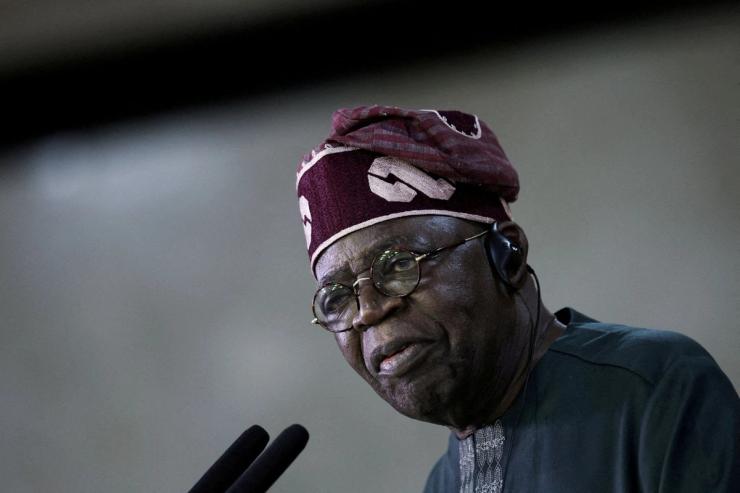
Nigeria implemented a radical overhaul of its tax system, ushering in measures President Bola Tinubu has called a “once-in-a-generation” opportunity to build a strong fiscal foundation in Africa’s most populous country.
The changes mark a fresh push to boost revenues and diversify one of the continent’s largest economies away from its historic dependence on oil exports.
The four new laws make widespread changes to who and what can be taxed in Nigeria, and include a reset of minimum income thresholds, new provisions on taxing interest on savings, and incorporating more of the working population into the tax base. Charges have also been introduced on some foreign companies, along with a 30% capital-gains tax on investors.
The overhaul is reminiscent of Tinubu’s revamping of the Lagos state tax code in the early 2000s, when he was the state’s governor, to make it reliant on internally generated revenues rather than oil receipt allocations from Abuja. That shift is widely credited with markedly improving revenue generation in Nigeria’s economic powerhouse.