




The Scoop
A joint venture between a US defense startup and a Saudi firm is building a factory near Riyadh to manufacture combat drones modeled on Iran’s Shahed system, which has been used to pummel Gulf countries over the past few months.
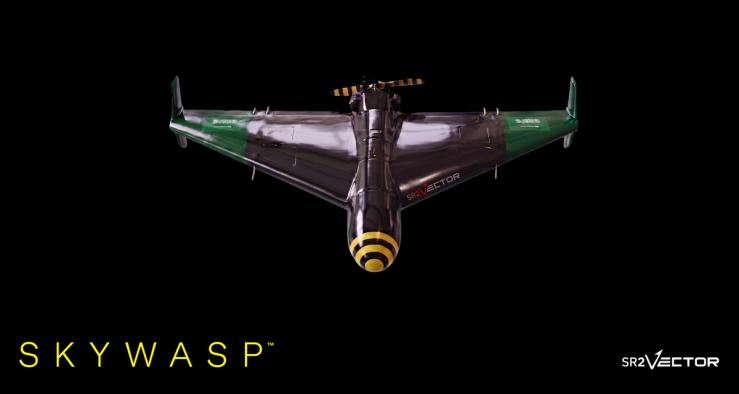
The facility is being developed by SR2Vector, a new partnership between Utah-based Vector Defense and Saudi-based startup SR2 Defense Systems. It will build a one-way attack drone developed by Vector, dubbed SKYWASP, that is capable of hitting targets up to 1,500 kilometers (930 miles) away — about the distance from the kingdom’s northeast coast to Tehran.
“SKYWASP is a program that can level the playing field and boost Saudi Arabia’s deterrence capabilities,” Lucien Zeigler, SR2’s chief strategy officer and co-founder, told Semafor.
Zeigler didn’t provide figures for the factory’s output, but said it will produce “operationally relevant volumes consistent with the kingdom’s strategic deterrence requirements.” He declined to give a timeline for the start of production, or disclose the size of the investment involved.
SR2Vector will produce drones both for the Saudi domestic market and for export to allied countries. It will be backed by MASNA Ventures, a defense-tech fund that Zeigler is currently raising.

Know More
Gulf states are expected to ramp up defense spending in the wake of the Iran war as they look to shore up security and deterrence against future attacks. Saudi Arabia, which has one of the world’s biggest defense budgets but imports almost all of its military equipment, has set a goal of localizing 50% of that spending by 2030.
Iran has fired thousands of missiles and drones at Gulf countries since the outbreak of the war in late February. While most were intercepted, those that slipped through hit targets including hotels, data centers, and energy facilities. The death toll in the Gulf has been limited, with less than 30 people reported killed, but in Iran more than 3,000 people have died in US and Israeli strikes.
The Shahed drone has become one of Iran’s most potent weapons. The drones are estimated to cost about $35,000 to produce, far less than the interceptors and missiles that Gulf states have used to shoot them down. That asymmetry is pushing governments in the region to seek alternatives, such as partnerships with Ukrainian companies — Russia builds a version of Shahed which has been used extensively in its war with Ukraine.
The MASNA Ventures fund that will back the drone facility aims to capitalize on increased defense cooperation between the US and Saudi Arabia, which was named a major non-NATO ally in November, when Saudi Crown Prince Mohammed bin Salman met President Donald Trump at the White House.

Notable
- The UAE announced a new defense-focused free zone in May, part of an initiative to attract global defense firms and help localize domestic military manufacturing, writes Robert Mogielnicki for the Arab Gulf States Institute.