


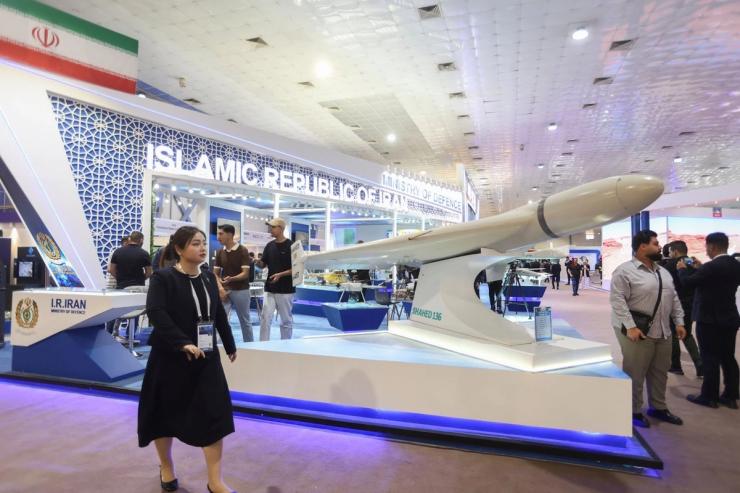
The asymmetry of this war was supposed to favor the attackers: Iran’s aging air force and weak air defenses made it easier for Israel and the US to strike targets across the country. But Tehran’s reliance on cheap drones and sea mines in the Strait of Hormuz has allowed it to impose costs on the Gulf, and the global economy.
As the conflict enters its third week, there are signs of attrition. Israel informed the US that it is running critically low on ballistic missile interceptors, American officials told Semafor’s Shelby Talcott. Washington insists that its own air defense stockpiles are robust, and that it has severely degraded Iran’s missile production. All sides are signaling they are prepared for a longer fight.
For Iran, its asymmetric tools are simple but effective. Propeller-driven Shahed drones — sometimes powered by motorcycle engines and made partly of styrofoam — can skim low over the Gulf and evade radar. The threats to vessels passing through Hormuz have halted most shipments of goods and energy: Clearing mines requires specialized naval vessels and can take months, potentially prolonging the costs of the war even after a ceasefire or resolution.