




The News
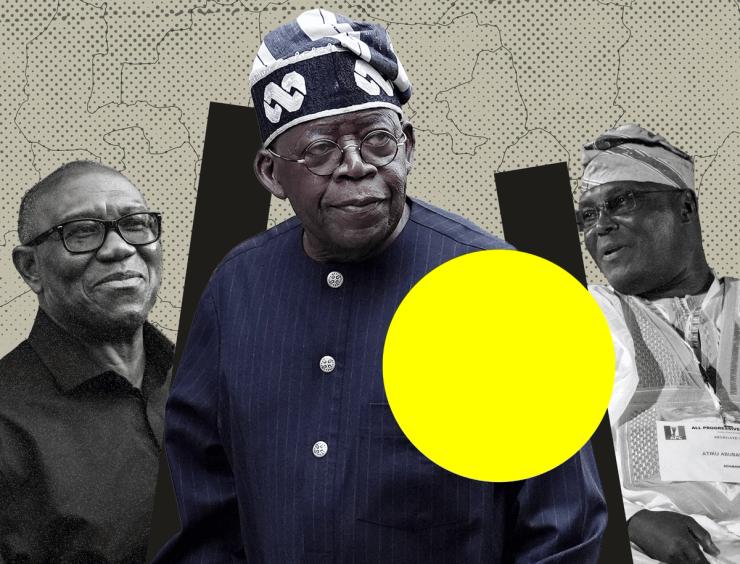
The dramatic exit of two leading Nigerian opposition figures from a coalition preparing to challenge President Bola Tinubu in January’s elections has dealt a potentially deadly blow to hopes of a united front to take on an increasingly powerful incumbent.
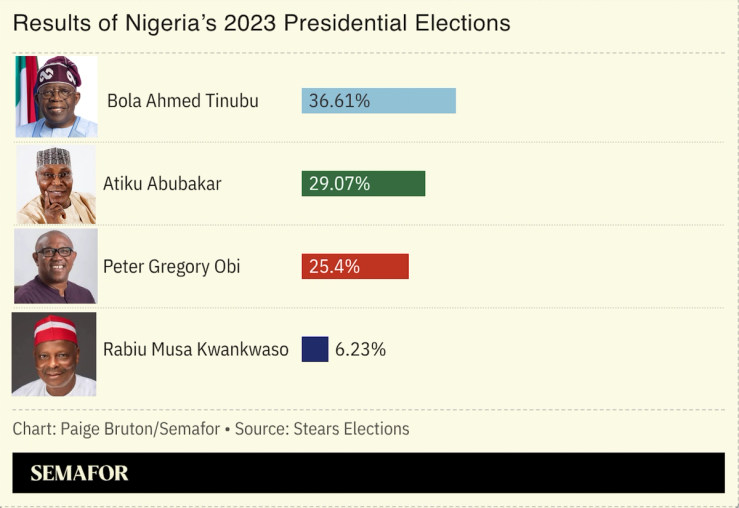
Peter Obi, a former state governor in the southeast, finished third in the 2023 presidential poll with a quarter of the popular vote compared to Tinubu’s 37%. He left the African Democratic Congress (ADC) — a smaller party that several major opposition politicians co-opted as a united platform to challenge Tinubu — alongside Rabiu Musa Kwankwaso, a popular figure in Kano, the most populous northern state. Both men had left the parties with which they contested the last election to join the ADC with other heavyweight opposition politicians including Atiku Abubakar, a former vice president, who came second in 2023. Last month they attended a meeting where a pact was reached to field one consensus opposition candidate.
But citing legal disputes over the party’s leadership, as well as “suspicion and division,” Obi joined the newly formed Nigeria Democratic Congress and looks set to be on its ballot in January, potentially with Kwankwaso being tipped as his running mate. At a convention last weekend, NDC said its candidate will come from Nigeria’s southern region but that he or she will only serve one four-year term should he win the election.
The move gives Obi more control over his own political destiny and a second chance to tap into young people’s disenchantment with mainstream parties, a move that made him a force in 2023. Whether it helps anyone other than Tinubu win January’s vote remains to be seen.
“I think it has definitely weakened the opposition as far as unseating the incumbent is concerned,” Joachim MacEbong, a Lagos-based analyst for Control Risks advisory firm, told Semafor. He expects a repeat of the three-way contest and the same result of four years ago, unless Abubakar steps down to back Obi.
Nearly two dozen lawmakers who were ADC members have left the party following Obi’s move, and a similar exodus is happening with aspirants to political offices across the country. Basil Abia, an economic policy consultant running to occupy a federal legislative seat, also moved to the NDC, citing “a bandwagon effect on down ballots that you must not take for granted.” He initially joined ADC to benefit from Obi’s social equity, he told Semafor.

Know More
Tinubu, 74, is seeking a second four-year term with his All Progressives Congress party that, at present, does not face any leadership crises or internal disruption. The president is his party’s de facto leader and as such is widely expected to be its candidate. Parties are required by the elections organizer INEC to conclude primaries by the end of this month.
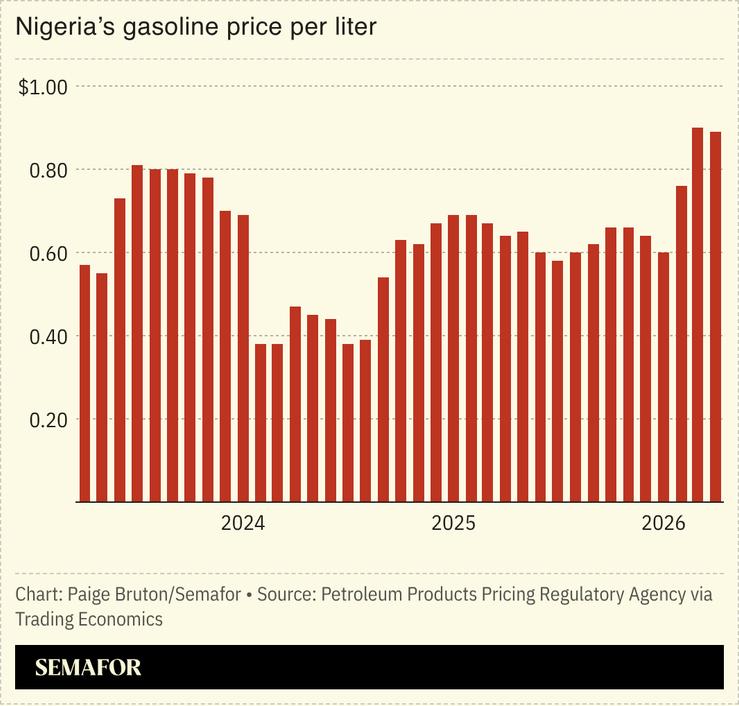
Nigeria experienced two recessions in the years preceding Tinubu’s ascent in May 2023 but has undergone a dramatic overhaul under his watch. He ended costly fuel subsidies and removed fixed dollar pegs to the naira currency, and appointed central bank officials that have reoriented monetary policy toward a more orthodox approach and away from directly funding government programs. Inflation spiked in the first two years as a result of a hike in petrol prices due to the subsidy removal but has steadied over the past year. Tinubu’s tenure has also been marked by a revamp of tax laws to increase revenue generation.
Opposition politicians like Abubakar and Obi — who are 79 and 64 years old respectively — have seized on a rise in the cost of living in Nigeria under Tinubu to make the case for a change in the country’s leadership.
Abubakar, who was a Tinubu ally in the 2015 election in which an incumbent Nigerian president was defeated for the first time, recently described the subsidy removal as a “necessary step, recklessly executed,” faulting Tinubu for not preparing Nigerians ahead of time to adequately bear the pain of the post-subsidy era. The war in Iran has raised fuel prices in Nigeria, further worsening an already high cost of living. The former vice president and wealthy businessman has been a candidate for president on three separate occasions. Each time, he has presented himself as a proponent of free market policies that will engineer faster growth by letting businesses thrive.

Alexander’s view
Nigerian voters who want new leadership may have to wait a few more election cycles. An already poor history of voter turnout on polling day — 2023 saw the lowest since 1999 — could get worse with the slate of familiar candidates.
Tinubu has reshaped Nigeria’s political institutions in his image in a way that could shepherd him through potential conflicts and safely into a second term. Current heads of Nigeria’s security staff, the police, as well as Nigeria’s chief justice and the chair of the elections organizer are all Tinubu appointees. Independence is nominally expected of these officials but loyalty to the president is a requirement in Nigerian public service.
Some level of lethargy is setting in among some opposition organizers who feel jaded by the wave of party changes by key figures. “Right now, I must take a decision for me. I wish Nigeria the best of luck,” wrote an organizer for the ADC on X, saying Obi’s defection was a sign that “Tinubu is coming back without much struggle.”
Tinubu aides and surrogates have stepped up campaign activities in recent weeks, organizing media tours of ongoing government projects and distributing bags of rice to poor communities in northern states. It will be up to Obi and Abubakar — should they eventually become their parties’ candidates — to argue that whatever Tinubu has done in these three years has failed to make Nigerians better off.

The View From South Africa
Tinubu’s management of a Nigerian economy that suffered several structural issues — including elevated debt-servicing costs, and weak public revenues — has improved investor confidence and led to stronger portfolio inflows, argued Brendon Verster, a Cape Town-based senior economist at British consulting firm Oxford Economics.
Still, the president has only produced “very limited gains in income per capita” that have “not meaningfully cut down poverty,” Vester told Semafor.
Tinubu’s moves over the last three years could seed stability and prosperity in the long-term but they need to be sustained, Vester said, adding that this “is where the doubt starts to filter through.” The Iran war’s inflationary effect on domestic fuel prices has weakened consumer confidence and will affect public perception of the government going into the polls. “Will it cost Tinubu a reelection? Probably not,” Vester said, especially as the opposition remains “quite fragmented.”

Notable
- After navigating a rocky start to his presidency, Tinubu “today appears politically unassailable” wrote Ebenezer Obadare, senior fellow for Africa Studies at the Council on Foreign Relations.