



The News
Saudi Arabia told businesses not to send staff into Riyadh’s main financial zone after concerns that the area could be targeted in Iranian missile or drone attacks. The order to empty office towers in the King Abdullah Financial District (KAFD) is one of the clearest signs yet that the kingdom’s effort to maintain an atmosphere of “business as usual” is becoming hard to sustain as the threat of Iranian attacks persists.
KAFD instructed companies on April 2 to evacuate immediately and not to send back staff until at least April 6, according to people familiar with the matter and a notice seen by Semafor.
The evacuation order impacted the kingdom’s sovereign wealth fund and the offices of international banks. KAFD features some of the city’s most iconic towers and hosts the likes of Goldman Sachs and Deloitte.
People living in KAFD’s residential towers were advised to shelter in place, the people said. KAFD declined to comment. Some prominent commercial buildings elsewhere in Riyadh — including the Al Faisaliah Tower, which houses JPMorgan and Apple — were also evacuated over the weekend. The Wall Street Journal first reported on the evacuation notice.
Some companies with offices in the financial district said they had received informal instructions not to send staff into the area for several weeks.

Know More
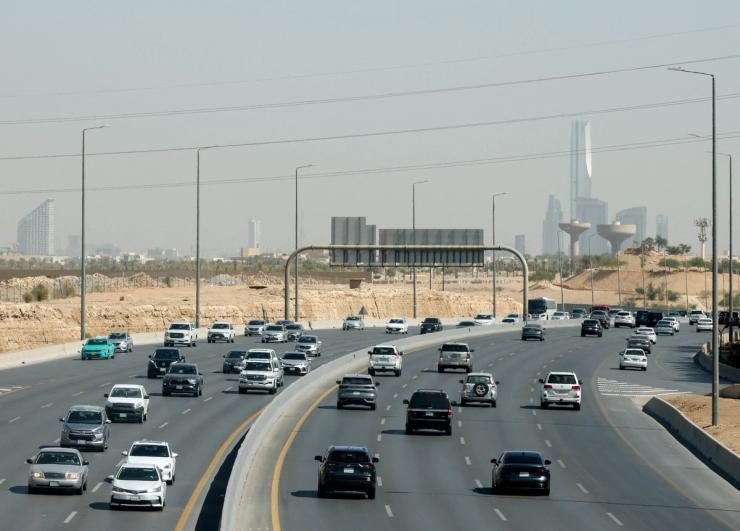
Riyadh has been spared the scale of attacks seen in Abu Dhabi, Doha, and Dubai. People are generally trying to continue life as normal. Roads are still congested, even as many firms encourage staff to work from home, and some schools have gone remote. The city’s main airport has mostly remained open, making it a key transit hub for people in Bahrain, Kuwait, Qatar, and the UAE looking to escape the conflict.
Still, Riyadh has not entirely avoided Iran’s crosshairs. The US embassy was struck and a barrage of missiles were also fired at the Saudi capital when it hosted a meeting of the region’s foreign ministers in mid-March.
Saudi Arabia has spent the past five years trying to get foreign firms to establish regional headquarters in Riyadh, threatening to pull government contracts from companies that refused.
The kingdom succeeded in attracting some of the world’s biggest companies, many of which are now based in KAFD.

Notable
- Benefit Street Partners, the $92 billion private credit manager owned by Franklin Templeton, is looking to expand into the Gulf region, undeterred by conflict. The Iran war has “no impact on our excitement about going all in on the region,” BSP Chief Executive David Manlowe said in an interview with Semafor.