




Liz’s view
Legitimate gripes about the World Economic Forum are that it’s elitist, obnoxious, and opaque about its $500 million in annual revenue. All fair.
More relevant is that Davos has been wrong, consistently, about where the world is heading. Its global risk survey is often a battle plan for fighting the last war — seemingly filled out, as one Shell executive noted this week, while glancing at the cover of an old Economist issue tucked into the seatback of a private jet on the trip in.
“It is inconceivable — repeat, inconceivable — to get a world recession,” one economist attendee said in 2008. The mid-2010s crowd whiffed on Brexit, MAGA, and the populist wave that followed. In 2020, delegates dipped into communal fondue fountains as COVID-19 circulated in plain view not far away. Davos was briefly all-in on the metaverse. I’ve mused before about creating an Inverse Davos Index to bet against the consensus that emerges by Friday.
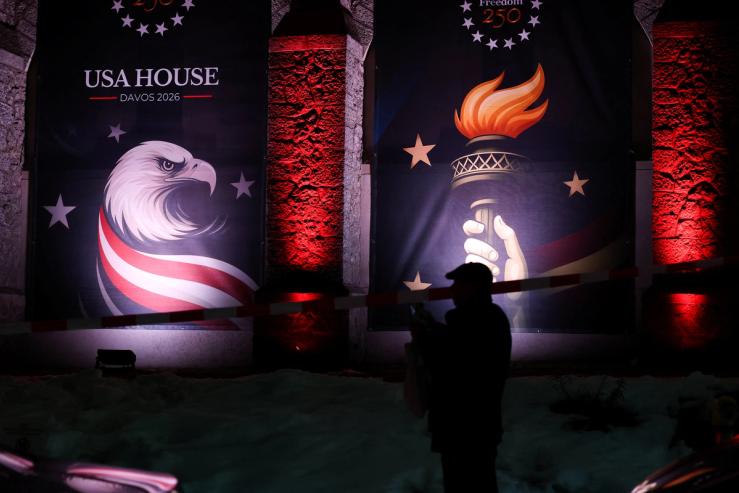
Call me an optimist, but I have higher hopes for this year. Attendees are clear-eyed about the two big known unknowns on the horizon: AI and President Donald Trump. A quick walk down the Promenade shows plenty of boosterism for both (the USA House, newly operating with the State Department’s blessing and money from the MAGA-fied Freedom 250 semiquincentennial committee, had a decent red-meat menu last night) but the conversations have a sober edge.
Leaders of six of the world’s seven biggest economies are here. Technically, seven of the biggest eight, as Gavin Newsom sits down with Semafor’s Ben Smith on Thursday to tout the California governor’s own brand of combative economic populism. And the do-gooderism of past Davoses has been replaced by earthier assessments: less virtue-signaling, more value-hunting. (Spoof away, Besties!) The way you know the climate here has changed is that nobody is talking about climate change.
Is this the year the Davos consensus is finally right? Dare to dream. It’s the magic mountain, after all.

Notable
- “In past years, Davos Man tried to build a new kind of world,”
Walter Russell Mead writes in The Wall Street Journal. “In 2026, he worries more about how to survive the collapse of an order he once took for granted.”