




Alexis’s view
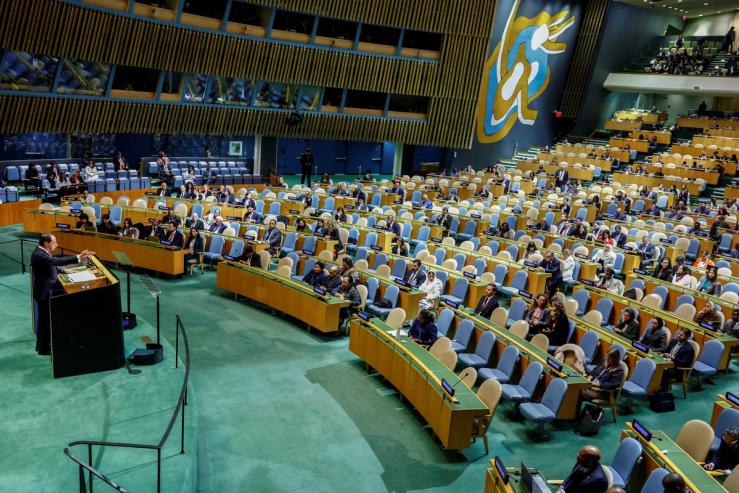
One of the most eye-catching features of this UN General Assembly has been the drive to secure deals — particularly for critical minerals — playing out on the margins of the gathering.
From the African perspective, the subtext boils down to one word: resilience. These deals offer partnerships, a ballast in a fractured world. And, increasingly, the aim is to partner with other countries closer to home.
Mineral-rich African nations are converging around a push to pivot from simply exporting raw materials to a greater emphasis on local processing to add value and jobs that can generate long-term growth. The underlying motivation for African policymakers is to untether their economies from commodity cycles and, by extension, the upheavals that come with them.
There are dangers, of course. UN Secretary-General António Guterres warned of potential exploitation around the scramble for minerals. “No more plundering,” he said at an event in New York.
But this emphasis on building resilience goes far beyond the issue of mineral resources. It was on show this week at Semafor’s The Next 3 Billion event, permeating discussions on a range of subjects. In public health, the head of Africa Centres for Disease Control and Prevention stressed the need for the continent to manufacture its own vaccines, and to do so in regional groupings. Similarly, Africa Finance Corporation’s head emphasized the role African financial markets and pension funds can play in boosting economic growth.
Nowhere is this approach clearer than in energy. That thinking is driving talk of a refining hub in East Africa. And, again, the idea is premised on working together. One key success of Aliko Dangote’s mega-refinery in Nigeria is that it showed the importance of developing autonomy. Africa’s largest crude producer, so long undermined by its lack of refining capacity, doesn’t need to rely on the rest of the world for fuel anymore.
Kenya’s trade minister told Semafor that for his country, the lesson is that resilience requires more than securing supplies, but also building the capacity to process them closer to home and doing so at a scale that serves regional markets. That is the logic behind the proposed $16 billion Dangote refinery in Lamu, which breaks ground next week. “Africa is now standing up to its role,” he said.

Notable
- Africa’s solution to development requires enormous reliable electricity, capital, and technical expertise to facilitate the local processing of minerals, wrote Semafor’s Yinka Adegoke.