


Robinhood landed its first IPO underwriting assignment, a sign that retail investors — long an afterthought for companies going public — are a fan base worth courting. Robinhood, which launched its bookrunning business in June, is among 18 banks working on smart-ring maker Oura’s IPO (dead last, but there).
Historically, retail investors got IPO scraps as companies focused on getting shares into the hands of patient institutions, but that’s changing. SpaceX set aside about 20% of shares for individual investors, helped by Fidelity dropping its minimum order size from $500,000 to just $2,000 for the deal. Robinhood elbowing out space in the IPO distribution game is both another potential revenue source for the company and a way to cultivate loyalty among its brokerage customers.
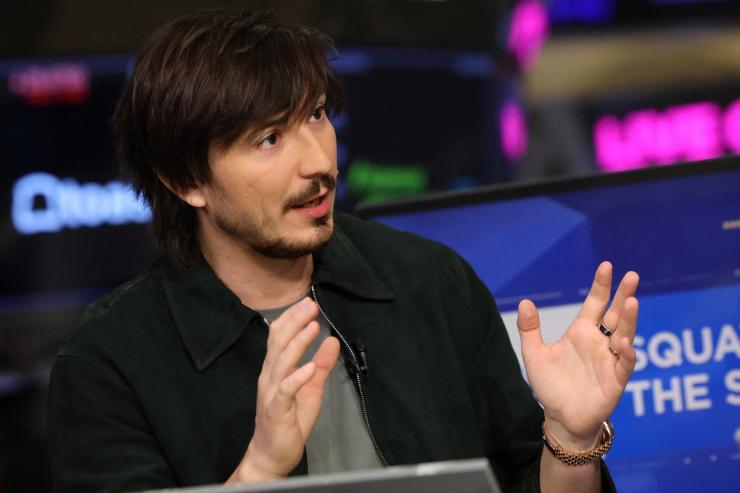
It’s “another step toward leveling the playing field,” Zach Hascoe, co-founder of Say Technologies, a retail investor communication platform that Robinhood acquired in 2021, told Semafor. “For companies, the opportunity goes beyond the IPO: Individual investors can become customers, long-term shareholders, and influential voices shaping the conversation around the business.” Hascoe’s new venture, Quorum, aims to map narratives around companies, including retail sentiment.