


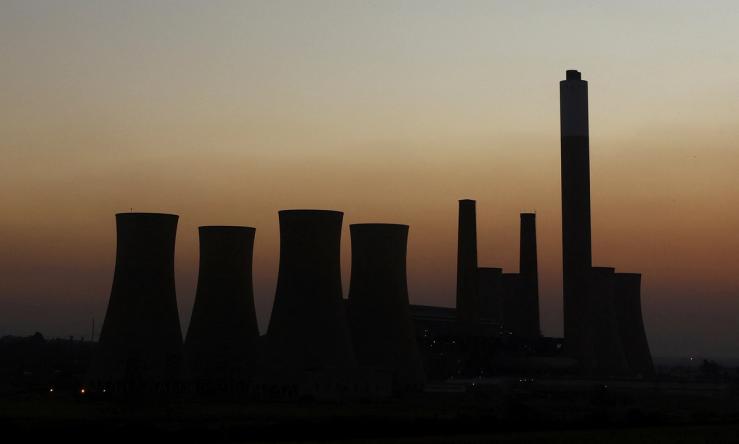
An unmanaged shutdown of the Secuda coal-to-liquids plant operated by South African energy company Sasol could wipe $550 million off the country’s $400 billion economy and cost nearly 25,000 jobs, researchers said.
The facility, the world’s largest single-site greenhouse gas emitter, supplies nearly a third of domestic fuel, making it a strategic company woven into the nation’s fabric as both an economic powerhouse and environmental headache.
Neither the government nor Sasol has plans to shutter Secuda, but the modeling by University of Cape Town researchers comes as the company faces shareholder activism and banks withdrawing funding for high-carbon assets. Sasol unveiled plans to slash its planned budget for emissions reductions last year, saving as much as $1 billion in a series of trade-offs aimed at balancing capital discipline with promises of cutting greenhouse gas emissions 30% by 2030.
South Africa is the continent’s largest polluter, relying on coal for about 80% of its power and leaving its industrial heartland exposed to international climate pressure.