




Tiisetso’s view
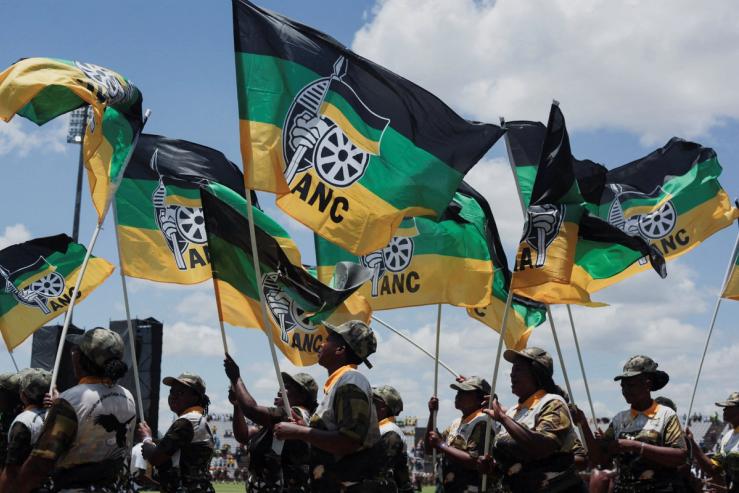
South Africa’s ruling party has found a new way to buy time. The African National Congress’ 2026 local government elections manifesto pledges free basic services to nearly 30 million people — water, electricity, sanitation, garbage removal. All automatically delivered, no queues, no paperwork required.
It’s a populist headline designed to resonate with voters weary of service failures from the party of Nelson Mandela, which lost its outright majority in 2024 national elections for the first time since coming to power in the glow of international goodwill 30 years earlier.
It is also fiscally reckless. For starters, the numbers don’t support the fantasy. The National Treasury’s 2026 budget already devotes nearly two-thirds of non-interest spending to the “social wage.” That covers 26.5 million grant recipients, 13.6 million school children, and healthcare for more than 84% of the population. The budget shortfall is meant to shrink, debt is supposed to stabilize, and a third consecutive primary surplus of 2.3% is pencilled in. Against that backdrop, the ANC’s promise to layer free services on top of existing grants looks like campaign theater.
What makes this moment more acute is the shifting politics it speaks to in South Africa. As the political scientist Ken Opalo argued recently, the ANC has lost its halo effect — the liberation legacy that once guaranteed loyalty even as services faltered. Voters are no longer swayed by the party’s glorious past. They are measuring the cold reality of municipal collapse and fiscal strain.
In an era of coalition politics, policy credibility, not nostalgia, is the new currency of power.

Notable
- Mounds of garbage, potholed roads and sewage spills have pushed some voters to abandon their loyalty to the ANC, writes journalist Evaton West for AFP.