


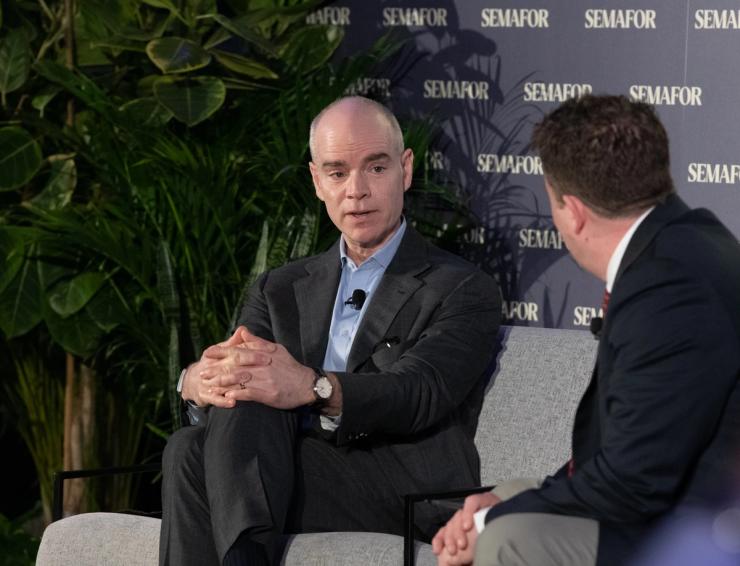
In a revealing interview with Peter Kafka this week, New York Times Executive Editor Joe Kahn said the paper is pouring resources into visual content, prompting comparisons to the media industry’s ill-fated “pivot to video” in the 2010s.
But there are crucial differences. Back then, publishers were chasing eyeballs on Facebook, which was paying media companies directly to make videos for the platform. Venture capitalists pushed digital-media startups to go all in. It all went away after Facebook retreated, admitting that the audience for video advertising simply wasn’t there. Companies that desperately threw themselves into Facebook digital video, like Mic, Mashable, Vocativ, and MTV News, died or slowly faded away. (It was an early warning about the media industry’s reliance on the tech platforms, a bet that has further unwound in a post-Musk X world.)
This time, publishers are playing catch-up to video-addicted audiences. The viewership for short-form video clips across TikTok, Instagram, X, and for long-form videos on YouTube is massive. Whether video is used as a promotional lure to draw viewers to more content (as podcast clips do) or as a show with built-in monetization, publishers like the Times have no choice but to find effective models for it to survive and compete.
Publishers weren’t wrong to “pivot to video.” They were just too early.