


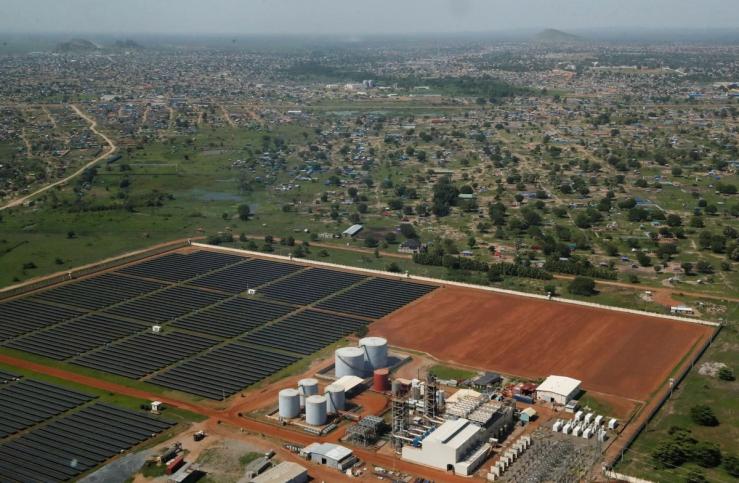
Renewable energy projects across Africa have stalled because they cannot secure funding due to a rule that ties the creditworthiness of projects to the sovereign rating of the country where they operate, the Associated Press reported. African nations are keen to boost the production of renewables as they pursue energy autonomy, an objective underscored by the de facto closure of the Strait of Hormuz, which highlighted many states’ reliance on oil and gas imports.
But a financial rule known as the “sovereign ceiling” is curbing efforts to fund much-needed renewable energy projects, with only two of Africa’s 54 countries — Botswana and Mauritius — currently holding investment-grade ratings. “The sovereign ceiling rule is an outdated credit rule that penalizes commercially viable clean energy projects for sovereign risks,” the Stockholm Environment Institute’s Maria Nkhonjera told AP.
Nearly 600 million people in Africa lack access to electricity, according to the International Energy Agency, and achieving universal access will require an estimated $15 billion per year in financing.