




Reed’s view
It’s an accident that the economic unit of AI is known as a “token.” The 19th century mathematician and philosopher Charles Sanders Peirce used the term in linguistics, and computer scientists later adopted it to break language down into the smallest possible fragments.
Because large language models also break text into tokens, OpenAI started charging users based on how many tokens they consumed, and the pricing model stuck. Now, due to surging demand for compute, AI tokens are likened to gold or oil. But I’m wondering if the more apt comparison is to digital currency.
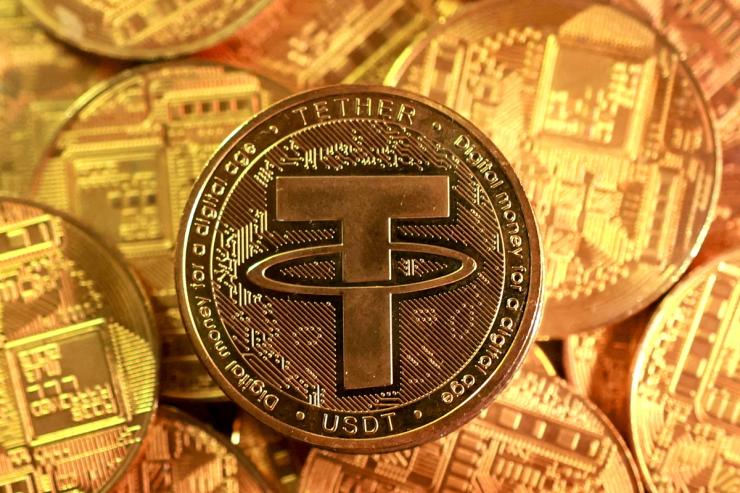
Despite decades of trying, none of the attempts to create a lasting digital currency have worked. There was eCash in the 1990s, Second Life’s Linden Dollar in the 2000s, and of course Bitcoin and cryptocurrencies. None have amounted to much more than the means for financial speculation.
The AI industry may have inadvertently created the first true digital store of value. AI tokens are useful, transferable, and increasingly universal in nature. You can already buy AI tokens on the blockchain and anyone with lots of GPUs can rent them out. There are even AI futures markets, as my colleague Liz Hoffman wrote about this week.
And we’re only just scratching the surface. The vibe coders and agent colonies are getting a lot of attention, but we’re still in the very early innings of AI adoption. There are huge swaths of the economy that aren’t yet powered by tokens. They will be.
As the AI industry matures, the technology will become more secure, reliable, and economical. We’ll all have “AI assistants” that will appear to be superintelligent. GPUs will become more universal, decentralized, and efficient. Data centers will compete on marginally higher performance and reliability, not just on scale. And this store of value — the token — will naturally become more tradeable.
With more infrastructure, both financial and technical, AI tokens might just turn into the most universal and global digital currency we’ve ever seen.

Notable
- VC-backed companies are increasingly merging AI and crypto technology, Silicon Valley Bank wrote. Forty percent of VC investments into crypto companies last year also went to a company building AI products.