


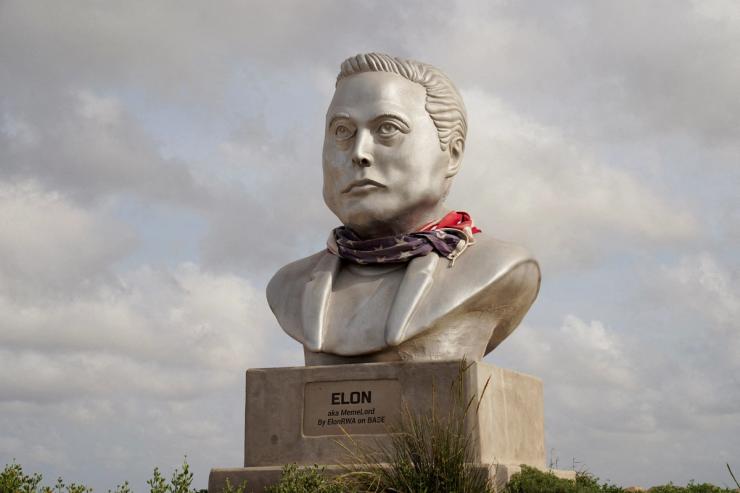
The IPO prospectus SpaceX dropped last night revealed how much the world’s largest public offering is underpinned by a founder firmly in control. Elon Musk, who previously complained he didn’t have a big enough say in Tesla, will control 85% of the vote at SpaceX through special shares (and will get another billion shares if SpaceX puts a million-person colony on Mars). The filing raised speculation that after SpaceX goes public, a purchase of Tesla isn’t far off.
Here’s what else stuck out to us from the filing:
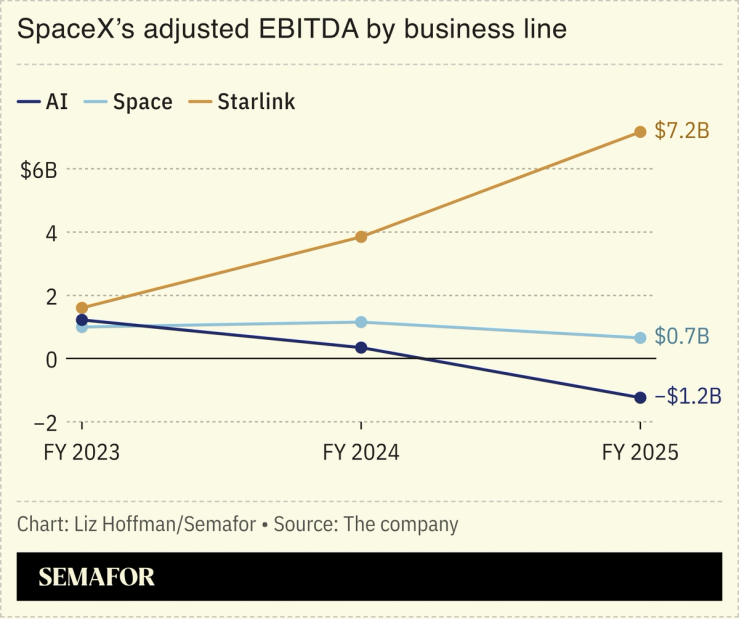
Starlink makes all the money. The satellite arm’s adjusted profits of $7.1 billion last year were more than what the whole company netted ($6.6 billion). The AI arm, which includes X and Grok, lost $1.2 billion.
One very important customer. The US government accounts for a fifth of SpaceX’s revenue, which could get sticky: SpaceX warned investors it might prioritize its own “orbital compute goals” (read: flinging data centers into space) over new government work, which might “impact our relationship with regulators” and invite lawsuits.
One very interesting customer. Anthropic, whose AI models compete directly with SpaceX’s, has agreed to pay SpaceX $1.25 billion per month over the next three years for compute capacity at its Colossus data center in Tennessee. AI companies are both rivals and revenue sources for each other, and compute is hard to come by.
Brands did bail on X after Musk bought it. The social-media platform’s ad revenue fell by $595 million in 2024. Some advertisers returned, but subscription revenue on X has grown faster than ads.
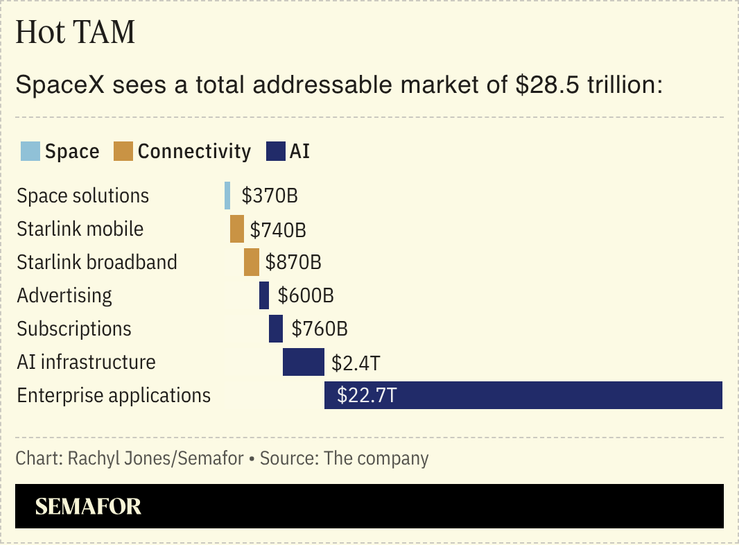
It’s serious about cellphones. SpaceX thinks Starlink Mobile could be a $740 billion business, connecting its satellites directly to cellphones to fill patchy spots in the networks of companies like AT&T and Verizon. The company bought $20 billion of spectrum last year, raising speculation — fueled by support from the Trump administration’s telecom regulator — that Musk might launch a direct competitor.
Bankers be banking. The primary positioning of Goldman Sachs as the first listed underwriter set eyebrows higher across Wall Street, where Morgan Stanley has long been the bank closest to Musk. One possible explanation: Goldman led a $20 billion loan to SpaceX in March, a huge check from a firm not historically known for writing them. (David Solomon himself also slid into Musk’s DMs.)