


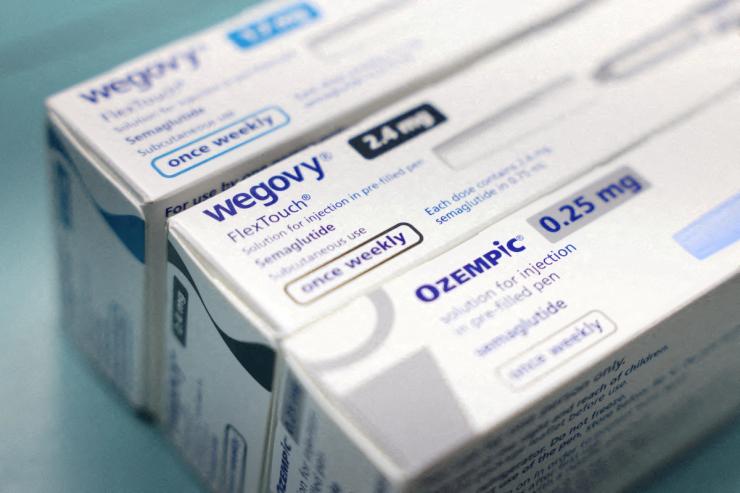
Generic versions of Ozempic went on sale this week in Canada — somehow the world’s second-largest GLP-1 market — raising questions about whether Novo Nordisk’s failure to renew its Canadian patent and prevent the entry of generic companies into the country was a bit of cunning corporate strategy or an expensive oversight.
Novo and Eli Lilly have already faced stiff competition from smaller “compounders” of weight-loss drugs. But entry from generics, which can be manufactured on a larger scale than drugs mixed in smaller pharmacies, will test whether the GLP-1 leaders can protect their name-brand goods and whether consumers and insurers will pay up for them.
Correspondence reviewed by Science magazine suggests that Novo failed to pay a $250 filing fee in Canada that would have extended its patent, which the CEO of one generic manufacturer called an “epic paperwork screwup.” Others pointed out that letting the patent lapse avoids statutory price caps on patented drugs. A Novo spokesperson told Semafor that the company’s “intellectual property decisions are carefully considered at the global level,” but declined to comment further. Novo still maintains a powerful patent in the US, by far the world’s largest market for obesity drugs.
Big pharma companies might reasonably bet that their name brands will win out. AbbVie’s sales of Humira have fallen by two-thirds since a generic version hit the market in 2023, but the company still sold $4.5 billion worth of the drug last year.