



Steel tycoon Andrew Carnegie, in The Gospel of Wealth, called it a disgrace to die rich.
The robber barons were ruthless, but they also endowed universities, charities, and civic institutions that endure today. How will tech billionaires of the AI age be remembered?
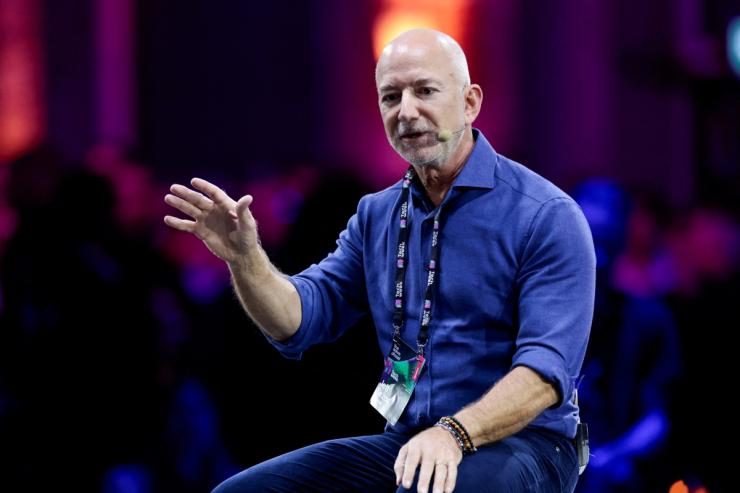
Jeff Bezos used his CNBC interview yesterday to pan philanthropy, arguing that “the value to society and civilization from my for-profit companies will be much, much larger than the good that I do with my charitable giving.” It marked a tone shift from previous pledges to give away the “majority” of his fortune.
Musk quickly agreed, sharpening questions about how today’s superrich plan to leave their mark. “There’s more skepticism today towards philanthropy,” billionaire and ROI-minded philanthropist John Arnold said on a recent episode of Semafor’s Compound Interest. “I think some of it’s merited… the feedback loop is so much longer, if it exists at all, than you see in the business world.” Mark Cuban told Semafor of his fellow billionaires: “They think they’re saving the world” with their own “laissez-faire approach.”
AI is minting a new generation of billionaires, and what they do with that wealth will have huge consequences. Stripe executive Nan Ransohoff, in a new essay this week, is betting on a third wave of American philanthropy, but one that looks more like the 19th century industrial fortunes given away than the metrics-heavy charitable giving of tech moguls like Bill Gates, which wasn’t “designed for questions of civilizational flourishing, meaning, and what makes a good life,” she said. “Squishier instruments like taste” will dominate.