




The News
As Elon Musk and Sam Altman’s personal rivalry plays out in court, Musk is sticking it to the OpenAI CEO in another way: handing rival Anthropic a big win.
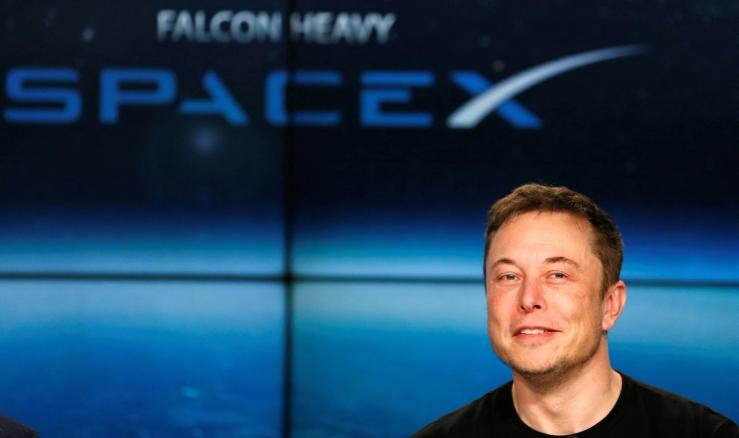
SpaceX’s partnership with Anthropic, announced Wednesday, gives the frontier AI lab access to massive amounts of much sought-after compute it will need to keep growing its business.
Anthropic will use SpaceX’s Colossus 1 data center, with more than 220,000 Nvidia’s GPUs, to process AI workloads, the AI company said during its “Code with Claude” conference in San Francisco. As a result, Anthropic will allow customers to use more tokens per minute, increasing the amount of work that Claude can take on.
The partnership hands a big win to OpenAI’s biggest competitor at the peak of Musk’s public feud with OpenAI, and provides a roadmap to where the relationship between Musk and Anthropic could head next.
Right now, the partnership between SpaceX and Anthropic is about compute, but there’s an even bigger opportunity the companies have hinted at: space. The maker of Claude wants to work with SpaceX on one of Musk’s long term goals of building enormous data centers in space, the company said in a release.
“The compute required to train and operate the next generation of these systems is outpacing what terrestrial power, land, and cooling can deliver on the timelines that matter,” SpaceX said.

Know More
As companies compete for available land on earth and face criticism from neighbors who don’t want to live near data centers, orbiting tech stands to benefit from the absence of neighbors, endless solar power, and cold temperatures that GPUs need. In November, Alphabet announced that building space-based data centers is its latest moonshot project.
Still, the idea has faced backlash for the sheer technical feat. Data centers, as they stand, require humans to replace failed hardware, connect new servers, and perform other tasks that can’t be done remotely.
SpaceX has said the initiatives “are in early stages, involve technical complexity and unproven technologies, and may not achieve commercial viability,” according to a filing.