




Alexis’s view
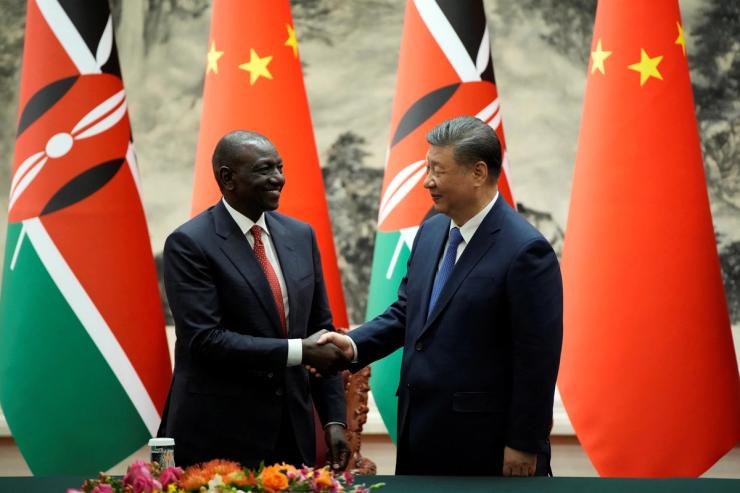
China’s scrapping of tariffs on imports from 53 African countries, which takes effect today, is a soft power masterstroke.
On the face of it, the policy marks a major market access opportunity for the continent, and positions Beijing as a trusted ally in stark contrast to Washington, which has wielded tariffs punitively. It also comes with a warning: The omission of Eswatini over its diplomatic ties with Taiwan is a reminder that crossing Beijing’s red lines has consequences.
But look beyond the headlines and the reality is that China’s new approach is unlikely to change much tangibly in the short or medium term.
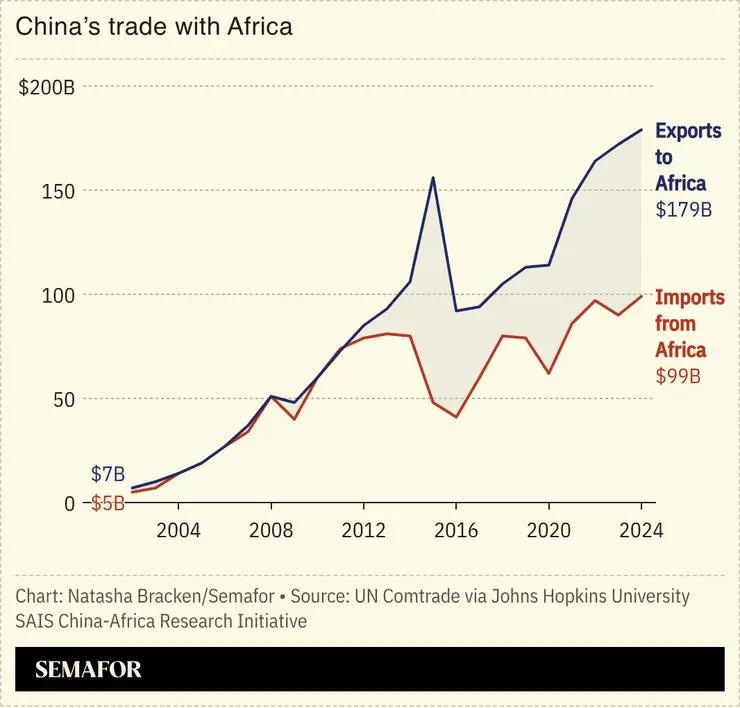
The continent had a trade deficit with China of $102 billion in 2025 — a 65% year-on-year rise. African exports to China are dominated by minerals and raw materials, such as metallic ores and crude oil; Beijing’s global dominance in processing the materials needed for the energy transition and digital infrastructure has driven purchases of copper and cobalt from the continent. But China’s exports to Africa mainly consist of manufactured goods, which have a higher value.
Tariff elimination isn’t enough to bring about meaningful change in this regard. Instead, African nations will need to industrialize to improve the trade balance which, as I’ve previously written, will require access to energy and political will. Reforms are needed to cut red-tape around issues such as foreign exchange controls and health and safety. As development economist Linda Calabrese noted in a report for UK think tank ODI Global, non-trade barriers “are often more subtle and challenging to address than tariffs, yet they can substantially increase the cost and complexity of exporting.”
African countries will likely welcome the reduction in tariffs, and they should. But Beijing’s magnanimity isn’t going to transform the continent’s economy. That’s going to be a lot harder.

Notable
- China’s approach to Africa has changed from loans to investment — and the war in Iran is likely to speed up the shift, an Africa studies professor at the University of Sydney argued in The Conversation.