




Alexis’s view
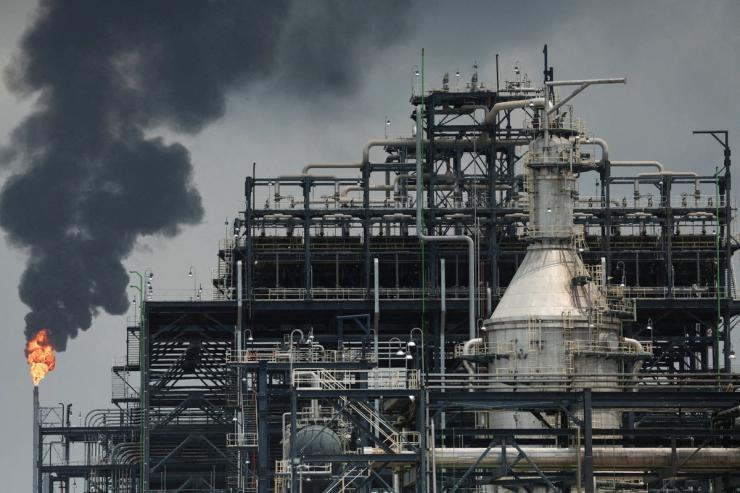
The Iran war has shown the power of industrialization — just look at the impact of Aliko Dangote’s refinery. The conflict has highlighted Africa’s reliance on fuel imports and the knock-on effect of higher prices and currency pressure. Dangote’s plant, which has shown how local processing can reduce the impact of such global shocks, has led to him being courted by East Africa to build a similar plant in Tanzania. But the reality is that Africa’s richest man can’t single-handedly drive industrialization across the continent.
A new report by the Africa Finance Corporation argues that efforts to develop infrastructure across the continent hinge on deploying existing capital to develop local processing of fuel, fertilizer, and metals, rather than raising additional funds. The multilateral lender, which hosted last week’s Nairobi event at which the plans for an East African mega refinery were announced, found capital held by African institutions rose to more than $2 trillion from over $1.6 trillion a year ago, partly driven by increased gold holdings in central bank reserves, which surged in value due to record prices.
“The key issue isn’t the size of windfalls but whether they’re effectively utilized to mobilize domestic capital into infrastructural and industrial systems,” Fola Fagbule, AFC’s deputy director and head of financial advisory, told me. There are signs that governments are rolling out policies with this in mind: After it began producing oil two years ago, Senegal committed to capturing hydrocarbon revenues in sovereign wealth funds in order to develop infrastructure projects. And late last year, Kenya and DR Congo announced the creation of similar funds to capture proceeds from selling government stakes in public assets and mining revenues respectively.
But the biggest bottlenecks that threaten scaling industrialization revolve around energy and political will. Stable power, which much of the continent still struggles to supply, is essential to drive industrialization. Converting economic headroom into the factories and power lines required for industrialization will also rely on governments committing to the pursuit of long-term projects with timelines that extend far beyond election cycles. Identifying Africa’s dormant capital is a great first step, but there’s a long way to go.

Notable
- In a talk hosted by the Center for Global Development, experts discuss how African countries can mobilize domestic capital at scale to finance long-term economic transformation.