




Tim’s view
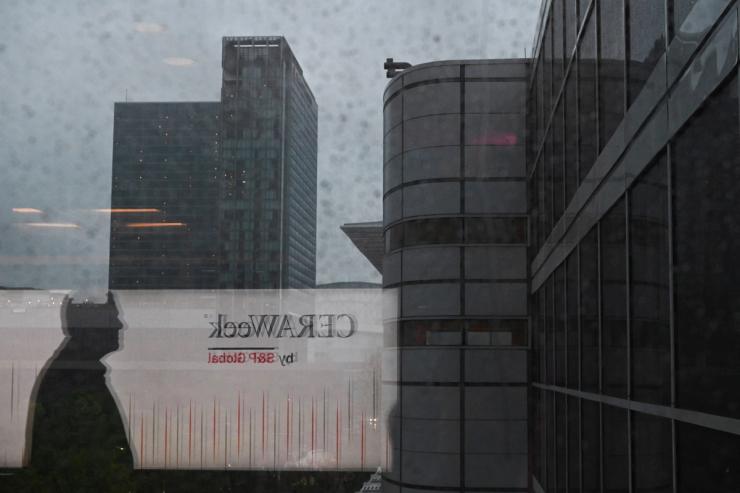
The world’s top energy officials and executives will meet in Houston this week to chart a path through the biggest oil and gas crisis in history.
US Energy Secretary Chris Wright will in his remarks today need to telegraph a reassuring message to domestic consumers about the trajectory of their energy bills — gasoline is now at its highest level since 2023 — while also pitching Big Oil CEOs on why they should tune out their capex-averse shareholders and put their weight behind an all-out drilling push to offset disrupted supplies from the Gulf. And he’ll need to explain how the administration’s latest emergency measure to keep oil flowing, a temporary sanctions waiver on Iran itself, won’t undermine its military objectives.
Wright’s myriad challenges point to how delicate the situation in Iran is for the global oil and gas industry. Needless to say, it’s a massive problem for producers in the Gulf, as well as foreign firms with assets there, which includes most of the majors. US companies will benefit from the price spike in the near term, but for the big producers, prices this high could ultimately create more problems than they solve: Companies like ExxonMobil and Chevron are still highly profitable at much lower prices, and could now run into more competition from smaller shale players with higher breakeven costs. Elevated prices also mean demand destruction; the International Energy Agency’s new roundup of solutions to the supply shock boils down to “use less oil.” And if companies do jump in to close the gap, they could be left with stranded assets when the price dips back down.
Still, extreme price volatility is as old as the industry itself, and nothing the CEOs in Houston this week haven’t been through before. Up until a few weeks ago, the consensus wisdom among industry watchers was that global oil and gas markets were going to be oversupplied for the next few years. When I attended CERAWeek last year, Exxon’s shale boss told me he was focused on how to stay competitive with prices hitting multi-year lows. That’s all obviously out the window now.

Notable
- Saudi Aramco Chief Executive Amin Nasser, usually a headline speaker at CERAWeek, has cancelled his planned appearance at the energy conference to remain in Saudi Arabia as the war in Iran drags on, Reuters reported.