




Ben’s view
As the Iran war dominates global economic calculations, media and social media alike, there’s one place where it’s been strangely absent: Washington, DC.
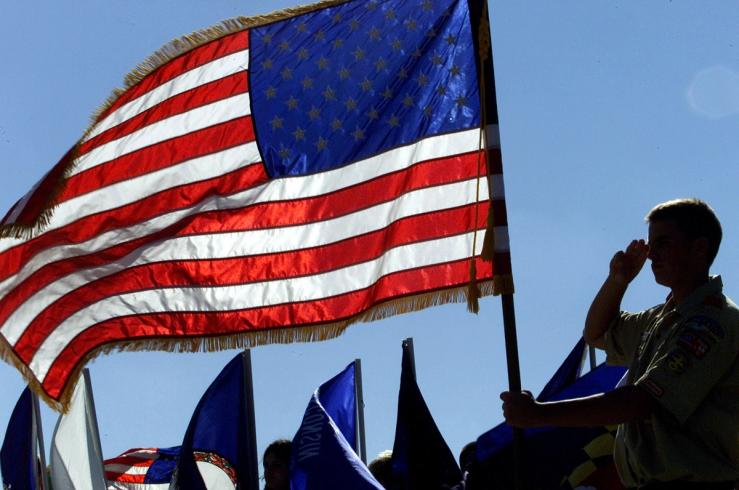
The American capital in the second Trump administration has developed a bit of a devil-may-care, drink-with-lunch spirit captured in the Pentagon’s cheerily bellicose memes. Still, when I was in DC last week, I was surprised by the total absence of yellow ribbons, patriotic banners, or the usual wartime acknowledgements of fallen troops and the many others in danger.
Even as many in Congress raged against the new conflict, elements of business mostly proceeded as usual. The Senate jammed through a controversial housing package. Michigan Gov. Gretchen Whitmer told me in an interview that she’d been by the White House to talk about a domestic peril: invasive Asian Carp. “Rather destructive and violent,” President Donald Trump, who has long been concerned about the fish, posted when they met.
This is a far cry from Washington’s mood in earlier 21st-century conflicts. My first visit as a reporter to the capital was in March of 2002, when I came down from New York with the city’s new mayor, Mike Bloomberg. The town was far more on-edge than even damaged Manhattan. I was shocked and a little amused to find White House correspondents all wearing gas masks clipped to their belts, just in case.
During the Iraq War, yellow ribbons — showing support for the troops, if not the conflict — were ubiquitous, as were anti-war demonstrations. Then came the long global war on terror, which meant that the US was both constantly at war and never at war. Washington remembered Afghanistan, only briefly, when we withdrew.
There’s none of the old somber pageantry in 2026 Washington. The Trump administration hoped this war could be won swiftly, from the sky, and made a choice not to put the city on war footing — or on alert. Recent ISIS-inspired attacks haven’t drawn the kind of presidential attention some expected, and the administration has been wary of publicizing possible future attacks. “It’s a strategy — they don’t want to freak out the American people,” a person close to the White House told Semafor’s Shelby Talcott.
More service members have already died in the Iran war than in the careful last full year of the Afghan conflict, and the Pentagon just dispatched another 2,500 Marines to the region amid debates over whether to put boots on the ground. There were two domestic terror attacks Friday, one just a few hours away in Norfolk. Members of Congress spent last weekend hearing from constituents about a conflict that immediately drove up gas prices and has already frozen some hiring.
The nation’s capital is, as always, a bubble, but it’s hard to see how this relative good cheer can last.
In this article:

Room for Disagreement
The biggest surprise of domestic reaction to the war isn’t the lack of bunting in Washington — it’s the lack of protests, Jack Sheehan wrote in the Irish Times: “The large section of the public that opposes Trump and this war are beaten down and burnt out, exhausted after 10 years of relentless right-wing dominance of public life. Many have disengaged from news media, and if they think of the war at all, it is with a mixture of resignation and disgust; a hope that it will end soon, but with little idea of how to bring that about.”

Notable
- Energy Secretary Chris Wright said over the weekend there’s “no guarantee” oil prices will come down any time soon, a sentiment echoed by outside experts.
- Trump has been framing any economic side effects of the war as temporary pain for long-term gain, Semafor’s Eleanor Mueller, Shelby Talcott, and Burgess Everett write.