




Yinka’s view
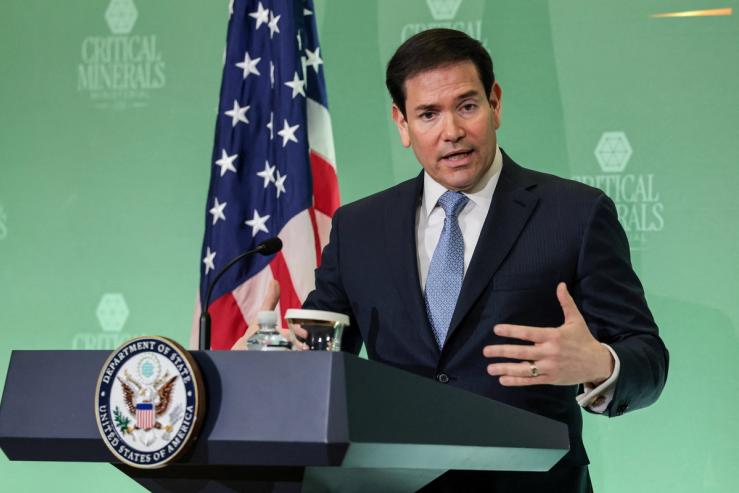
Washington’s inaugural critical minerals summit this week — bringing together officials from 54 countries including several from Africa — was, on the surface, a diplomatic gathering. Behind the scenes, it served a message to investors: The US and its allies are ready to spend to reshape global mineral supply chains.
US Secretary of State Marco Rubio never mentioned China in his remarks. He warned, instead, of supply chains that have become “heavily concentrated,” and said that decades of outsourcing had left advanced economies vulnerable in materials essential to clean energy and defense. The subtext was unmistakable: Securing these resources will require new strategies and capital.
That approach is already visible. A day prior, Swiss commodities giant Glencore agreed to sell 40% of its copper and cobalt assets in DR Congo to a US government-backed consortium for $3.6 billion, a valuation that raised eyebrows. “It reflects how Western capital is now willing to spend to secure non-Chinese control of key assets,” said Calisto Radithipa, co-founder of Botswana-based mining chemicals supplier Kemcore.
Rubio’s broader plan aims to make these premiums sustainable. Officials outlined a Preferential Trade Zone with price floors intended to stabilize markets battered by oversupply and price suppression. The goal: give investors confidence that non-Chinese projects can deliver predictable returns.
The US is also pushing a $12 billion strategic stockpile for critical minerals — a tool already being studied by the EU and Japan as they explore parallel reserves to cushion shocks and counter market manipulation.
For African producers including Angola, DR Congo, Guinea, Sierra Leone, and Zambia, the shift opens a rare window of leverage. The Glencore deal shows that Western governments are willing to put money on the table. But turning this moment into lasting advantage will require careful planning, not just short-term opportunism.

Notable
- The value of Africa’s critical minerals is mischaracterized on the global stage, Imani think tank’s Bright Simons argues in a Semafor column, resulting in “bad strategy and poor policy by distorting what’s important.”