


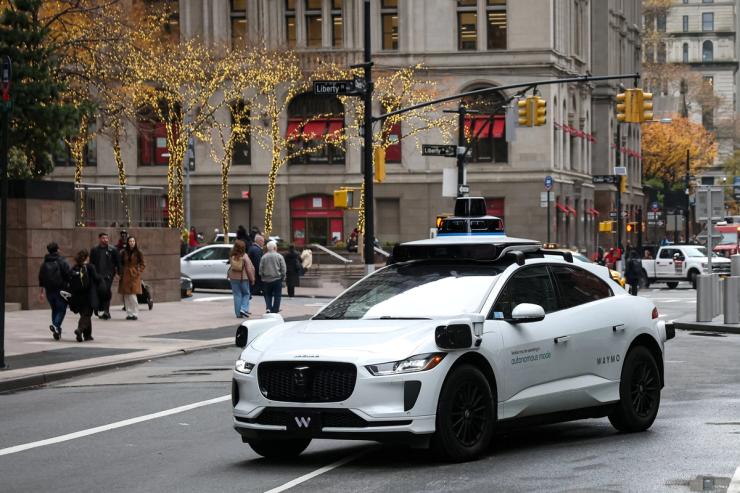
A Waymo car hit a child in Santa Monica, California. It wasn’t fatal — minor injuries were reported — but it foreshadows the response of when one of Google’s vehicles will inevitably cause harm to a human.
Last Friday, a child ran into the road, directly ahead of the vehicle, which slowed down from 17 miles per hour to under 6 before making contact, according to the company. The same day, Waymo notified the National Highway Traffic Safety Administration, which indicated it will open an investigation into the incident.
Waymo wrote a blog post on Wednesday, the first time news of the incident reached the broader public. That’s not an inherently offensive timeline, but it calls back to when regulators found discrepancies in General Motors’ reporting of an accident with a Cruise autonomous vehicle, which ended up contributing to GM’s decision to shutter the project. In a statement shared with Semafor, a Waymo spokesperson highlighted transparency as core to Waymo’s “safety-led culture.”
“On the same day we voluntarily disclosed this incident to NHTSA, we prepared a statement and shared the details with a local journalist to ensure the information was available for public reporting,” she said. “We remain committed to proactive, voluntary disclosure as a pillar of building public trust and improving road safety.”
To be sure, Waymos are significantly safer, statistically speaking, than human drivers. According to an analysis by the company, a human in the same scenario would have still hit the child, while going faster — 14 miles per hour. Whether Waymo can convince regulators and the public that few human accidents become an acceptable trade-off, is still being determined.