




The News
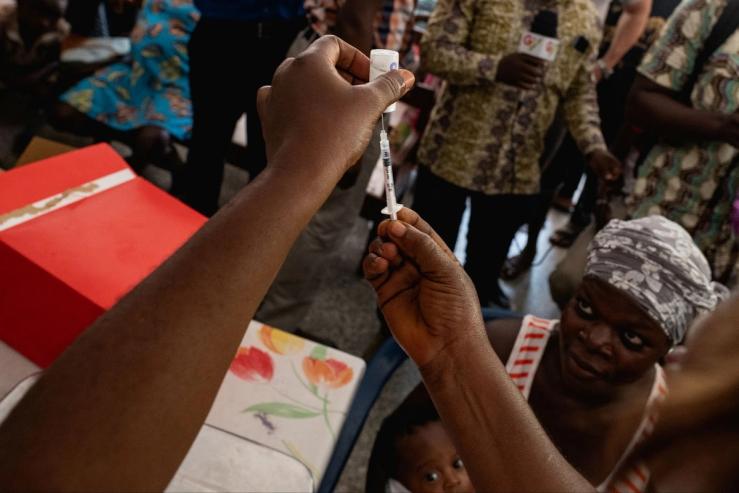
The Gates Foundation and OpenAI unveiled a $50 million partnership to deploy artificial intelligence tools across health care systems in several African countries, beginning in Rwanda. The initiative, called Horizon1000, aims to reach 1,000 primary health care clinics and surrounding communities by 2028.
The program, which will provide funding, technology, and support as African nations integrate AI into their health infrastructure, comes roughly a year after the Trump administration shut down USAID and other Western countries also slashed their foreign aid programs. The cuts — in the billions of dollars — have prompted major donors like the Gates Foundation to seek alternative approaches promising greater efficiency with fewer resources, though whether AI tools can compensate for reduced traditional aid remains untested.
Sub-Saharan Africa faces a deficit of nearly 6 million health care workers, with Rwanda having just one worker per 1,000 people — far below the World Health Organization’s recommendation of four per 1,000. The AI tools are designed to support existing health workers rather than replace them, handling administrative tasks like transcription and paperwork.
The Gates Foundation founder Bill Gates described the partnership as an example of systems that help people worldwide “solve generational challenges that they simply didn’t know how to address before,” positioning AI as a tool to overcome longstanding barriers in global health care access.
In this article:

Know More
Rwanda has emerged as the initial testing ground for the Horizon1000 initiative due to its severe health care worker shortage and the government’s proactive embrace of technology solutions.
Health Minister Sabin Nsanzimana, who has called AI “the third major discovery to transform medicine” after vaccines and antibiotics, recently launched an AI-powered Health Intelligence Center in Kigali.
The country also has a track record of implementing innovative health programs such as a pioneering drone delivery service for blood and drugs.
Gates is positive about AI’s potential in health care, describing it as “a technological revolution as far-reaching for humanity as microprocessors, PCs, mobile phones, and the Internet.”

Room for Disagreement
Deploying sophisticated AI systems across 1,000 clinics in resource-constrained settings within four years presents significant infrastructure challenges, including reliable electricity and internet connectivity. Previous technology initiatives in developing nations have struggled with sustainability once initial funding wanes, and critics have noted that AI requires ongoing maintenance costs that may prove difficult for already stretched health systems.

Notable
- AI is already transforming medicine but there are serious concerns about how it is integrated into health care, The Harvard Gazette reported.
The Gates Foundation provides financial support for Semafor’s Next 3 Billion series.