




The News
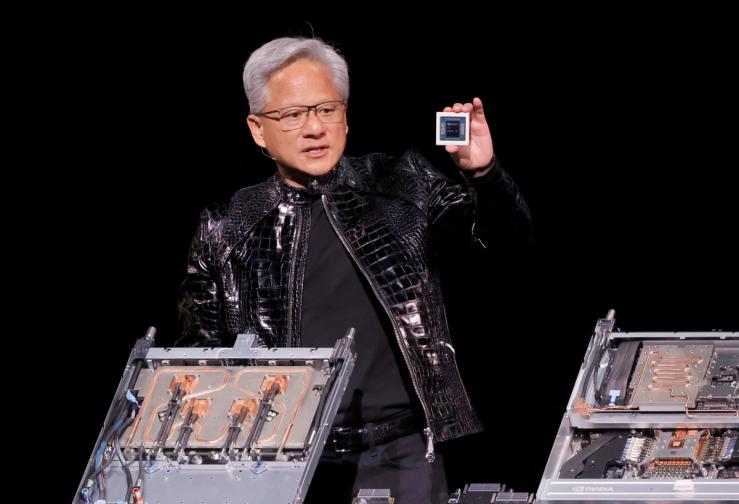
Is there any stopping Nvidia? CEO Jensen Huang previewed the company’s next generation of chips sooner than expected, telling crowds at the CES conference in Las Vegas that “everyone is trying to get to the next frontier” of AI. The Vera Rubin chip — named, a bit ominously, after the astronomer who proved the existence of dark matter — can do more computing with less power than its predecessor. (Stocks of companies that make cooling technology for data centers promptly fell.) Nvidia also announced it would offer its chips and software to self-driving carmakers, with Mercedes-Benz as its anchor customer.

Know More
Pulling forward production schedules — Nvidia usually unveils its latest model at a spring developer conference — and courting new kinds of customers show the escalating competition in AI, as Google’s TPU chips have found takers including Meta. The faster arrival of new models will also add to anxieties about the residual value of old ones, which underpin huge swaths of the AI economy (and CoreWeave’s entire business model). As Semafor’s Reed Albergotti noted just last week in a list that predicted a major autonomous vehicle announcement, “whatever you’re guessing about the tech industry in 2026, it will likely undershoot our next crazy year.”