



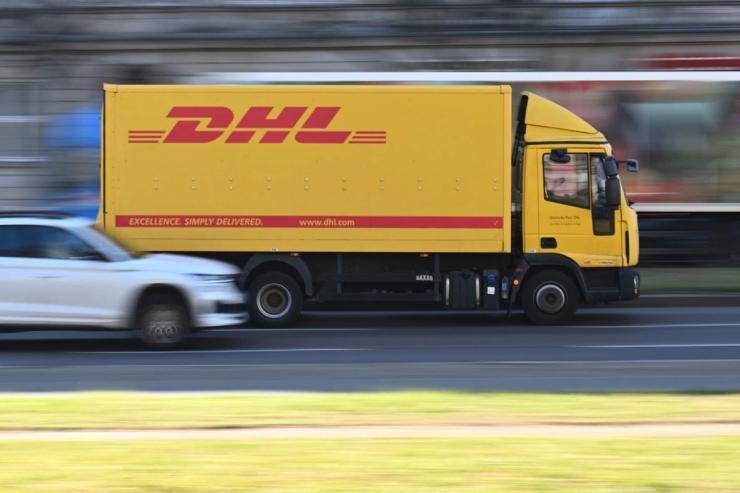

The Scene
Beyond the visible transformation of the Gulf — cranes in Riyadh, towers in Dubai, and museums in Doha — a quieter buildout is underway. The Gulf’s logistics sector is hitting an inflection point, whereby governments are increasingly demanding more in-region fulfillment, storage, and delivery rather than moving goods through ports and running operations from other countries.
The aim is to shift from a throughput market defined by the volume of goods moving through it to a localized supply chain for industries in the region, according to DHL Supply Chain’s chief executive. “It’s about being in the ecosystem, not just shipping through it,” CEO Hendrik Venter told Semafor.
The warehousing and logistics arm of the German shipping giant is leaning into the shift. DHL Supply Chain is investing $153 million in a new facility in Riyadh’s Special Integrated Logistics Zone under a 26-year concession. “There is a conviction that this region is a big part of the global economy of the future,” Venter added.

Know More
The company’s regional footprint reflects that view. In Dubai, DHL is adding $140 million in cold storage and bonded warehousing. In Bahrain, it’s building a new hangar for express cargo. In Saudi, it’s expanding a joint venture with Aramco that runs logistics for some of the energy giant’s major sites.
DHL’s moves aligns with a broader government strategy: Saudi has spent $74.6 billion since 2016 to become a global logistics hub, with the sector now contributing about 6.2% of GDP. The kingdom plans to spend another $192 billion by 2030.

Notable
- Saudi Arabia plans to build 59 logistics hubs by 2030, covering more than 100 million square meters, according to the kingdom’s National Transport and Logistics Strategy.