



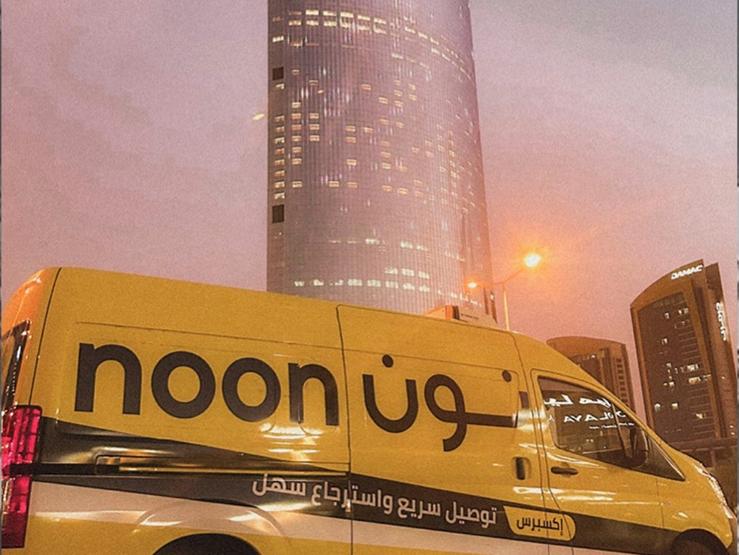

The Scoop
The Middle East’s homegrown Amazon rival, noon, has raised $500 million in new funding from backers including Saudi Arabia’s sovereign wealth fund as it works towards a potential initial public offering, according to people familiar with the matter.
Also among the backers are noon’s founder, Dubai-based Mohammed Alabbar, who is also chairman of the real estate developer Emaar Properties, the people said, asking not to be named.
A spokesman for the PIF declined to comment, while Riyadh-headquartered noon and Alabbar didn’t respond to requests for comment.
The fundraise comes as noon faces increasing competition from local and international rivals expanding in the region, eager to tap into the Gulf’s young, wealthy, and tech-savvy population. It also coincides with a busy time for PIF, which recently led a $55 billion takeover of Electronic Arts and is among those backing Paramount Skydance’s $108 billion hostile bid for Warner Bros. Discovery, even as it is trimming budgets for its large domestic investment plans.

Know More
Noon — which launched in 2016 with the PIF holding a 50% stake and investors led by Alabbar holding the rest — operates an online marketplace, food delivery, and online grocery platform across Egypt, Saudi Arabia, and the UAE. It started just a few months after Amazon acquired Dubai-based online marketplace Souq.com for $580 million. Noon has previously raised $2.7 billion and its most recent valuation was close to $10 billion, Alabbar told the Financial Times in September. The company is working on an IPO within the next two years, he said.
But it is facing increased competition. Amazon has been growing its offering by moving into groceries, while China’s Meituan launched its own food delivery service in the Middle East this year and is also moving into “dark stores” — unbranded grocery stores offering delivery only. Saudi startup Ninja, which also operates quick-delivery grocery stores, raised $250 million earlier this year to fuel expansion, too. That competition is prompting a price war as firms seek to hold on to market share or attract new customers.

Notable
- Meituan swung to its first quarterly loss since 2022 in the three months to the end of September, amid a price war with Chinese rivals, Reuters reported.