




Tim’s view
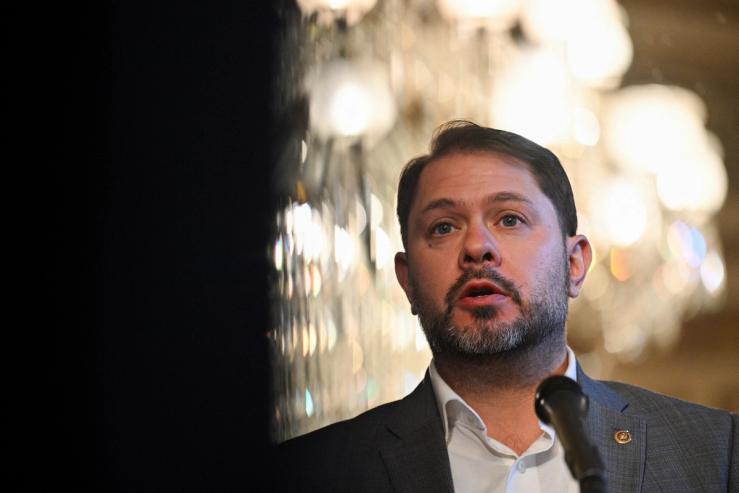
It’s time for Democrats to kiss and make up with fossil fuels. That’s the subtext of a new energy strategy produced on Wednesday by Sen. Ruben Gallego, D-Ariz., a moderate in a state that voted for Trump in 2024, and a rumored presidential contender for 2028. The plan doesn’t mention the words “climate change,” and only nods to emissions reductions as a side benefit of policies that are principally aimed at making energy cheaper, more reliable, and more globally competitive. And while it repeatedly emphasizes the cost and reliability benefits of renewables, it also calls for new steps to “ensure reliable oil and gas supplies.”
“I think we may alienate some people,” Gallego told me, referring to Green New Deal-style environmentalists hell-bent on a rapid fossil fuel phaseout. But if Democrats want to win elections, he said, they need to refocus on affordability: “We can’t force the [clean energy] transition on the individual consumer, because that really affects peoples’ bottom line.” That may mean countenancing a slower rollout of EVs, for example, or swallowing some new fossil fuel infrastructure.
Still, the route to cheaper energy leads back to many of the same policies climate activists want to see. Republicans have made it easy for Democrats to seize command of the energy affordability issue, Gallego said, by railing against things like vehicle fuel standards and tax credits for renewables and energy efficiency, which may fit into their anti-green culture war but take perfectly sensible cost-saving options off the table.
The basic problem with typical energy messaging across the political spectrum is that most Americans simply don’t care about where their energy comes from and aren’t motivated by crusades for or against any particular technologies. They mainly care how much stuff costs. To that end, the Gallego plan “reflects voters’ priorities, rather than the green activists’ agenda,” said Josh Freed, senior vice president for climate and energy at the think tank Third Way. “It’s the most genuinely ‘all-of-the-above’ plan we’ve had since Obama.”

Notable
- The Trump administration moved to significantly roll back vehicle fuel efficiency standards, a setback for climate activists that will also likely raise costs for drivers.