




The News
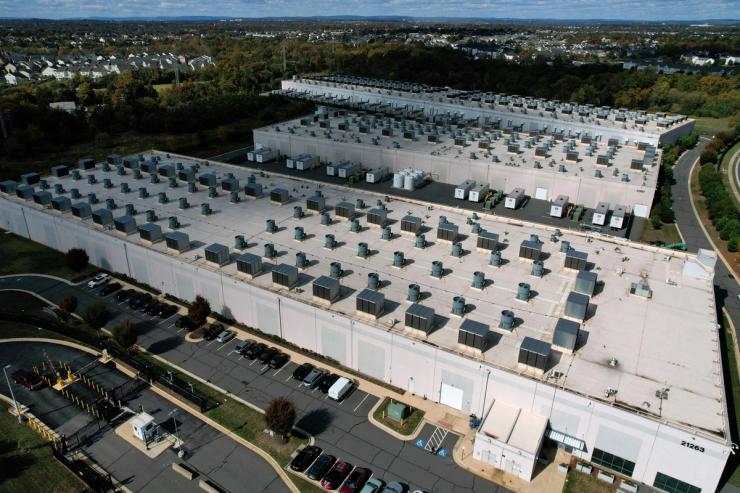
The northeastern US — home to the world’s highest concentration of data centers — faces an even larger wave of incoming power demand than previously anticipated, new figures indicate. That’s driving an escalating dispute among the companies that operate the region’s grids, one in which federal regulators could be forced to intervene.
US data centers will require 106 gigawatts of power generating capacity by 2035, BloombergNEF analysts said on Monday. That’s up from about 40 gigawatts today, and 36% more than what BloombergNEF predicted in its last forecast in April, as more — and bigger — data center projects are announced.
What’s remarkable about the latest forecast is not just that it’s higher, BloombergNEF senior researcher Nathalie Limandibhratha said, but that data center developers show little sign of branching out from the regions where they are already most highly concentrated. Half of the anticipated new demand will be in the PJM Interconnection — the country’s largest regional power market by capacity and already the epicenter of data center growth — which includes New Jersey, Ohio, Pennsylvania, and Virginia.
“The hotspots are getting hotter,” Limandibhratha said. And that’s going to push an already-simmering conflict within PJM — over how to allow more data centers without unduly raising prices and blackout risks for everyone else — to a boil. “Right now, supply is somewhat keeping up with the pace of demand. But it’s really going to put a strain on the grid.”

Tim’s view
The biggest question about data centers in power market circles is how much of this growth will really materialize. As chips, data center facilities, and AI models become more energy efficient, and as market observers warn the whole AI boom is actually a bubble inflated by unsustainable borrowing, the future for power demand is still fairly cloudy.
For now, tech companies are clearly still moving full-steam ahead to build as much new data-crunching capacity, and the hardware needed to power it, as they can. And the fight unfolding over the last two weeks within PJM shows that whatever the precise demand figures turn out to be, policymakers aren’t ready to ride that wave.
In early November, the private analytics firm that acts as an independent watchdog for PJM warned that the region’s power supply is “not adequate to meet the demand from large data center loads and will not be adequate in the foreseeable future.” A few weeks later, a range of market players in the PJM region, utilities and data center operators among them, met to vote on more than a dozen proposals for dealing with that crisis, including new rules that would require data centers to provide their own power supply. None of those plans passed. Then last week, the watchdog filed a complaint with federal regulators that said “clear warning signs” are flashing of impending blackouts if PJM continues to allow new data centers to connect to the grid without providing their own new power sources. A response from the Federal Energy Regulatory Commission, as well as new proposals from PJM managers to defuse the situation, could come later this month.
In the meantime, PJM continues to move toward a “tipping point,” the Bloomberg report warns, with demand set to overtake supply by 2030.

Room for Disagreement
The stock market seems less bullish that data center power demand will really materialize at scale. The S&P 500 Utilities Index, which hit a record in October driven largely by expectations of surging AI power demand, is now tilting down as some investors appear spooked by the risk of cross-contamination from a recent dip in tech stocks.

The View From China
China — which produces one-third of the world’s electricity — appears much better prepared to manage the electricity aspect of the AI boom. A report by HSBC last week concluded that existing grid capacity is well ahead of anticipated data center demand, and that in the event of future growth, grid expansion projects are typically executed much faster than data centers can be built. (In the US, because of far more onerous grid bureaucracy, those timelines are reversed.) Still, manufacturers of backup diesel generators, including Rolls-Royce and Mitsubishi Heavy Industries, are doing a booming business for Chinese data centers now, HSBC said.

Notable
- Power bills are “the new price of eggs,” as consumers increasingly vent their frustrations about data centers through the ballot box, The New York Times reported. Average residential retail power prices in the US are about 7.4% higher now than this time last year.