




Tim’s view
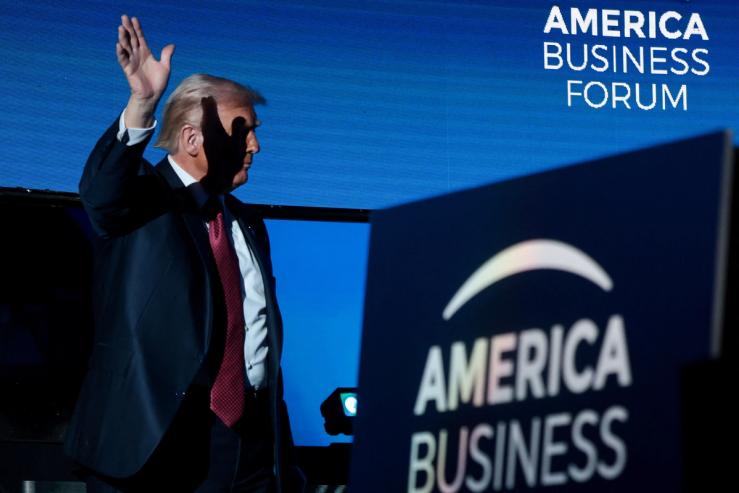
US President Donald Trump won’t join 53 other world leaders in Brazil today to kick off the COP30 climate summit, but he’ll loom large over the gathering nonetheless.
The vibes at COP conferences resemble those of a middle-school cafeteria, including the peer pressure and the quality of the food. Very little that comes out of the meetings is legally binding. Instead, it’s a structured forum for countries to either one-up each others’ climate ambitions, or try to tamp them down. During the Obama and Biden administrations, the US used its bully pulpit to drag more recalcitrant countries like China and the Gulf petrostates to the table and sign them on to promises to cut carbon and shell out cash to help poorer countries.
During Trump’s first term, US diplomats pulled out from the COP process, but there was still a degree of bipartisan support at home for things like renewable energy tax credits, such that the impact of the US withdrawal was fairly limited. Still, when Biden took office, it took time to restore American credibility in the COP negotiating rooms, Rick Duke, who was the deputy US climate envoy then, told me this week.
This time around, there is more ideological animosity toward clean energy and climate action both within the administration and among top Congressional Republicans than ever. The potential international fallout from that attitude came through in a recent meeting of the International Maritime Organization, when US officials successfully campaigned to kill plans to impose a carbon fee on shipping. Some COP participants have told me they fear a repeat performance in Brazil. The White House, for its part, told me Trump is more focused on bilateral negotiations over energy issues with other world leaders, in the context of trade and peace talks rather than COP.
Duke, for one, remains optimistic about the overall momentum at COP30. Dozens of countries, representing nearly two-thirds of global emissions, have already put forward new climate plans that, while leaving plenty to nitpick, show some degree of progress. More are likely forthcoming in Brazil. Rather than dragging COP down, it’s more likely that the US simply gets left behind, Duke said, with long-lasting consequences for its economy and security: “The US sidelining of itself from the clean energy future is more severe and less strategic than it has ever been. It’s just a huge own-goal.”

Notable
- The group of hundreds of global mayors gathered in Rio ahead of COP30 cheered the Republican party’s setbacks in local elections around the US on Tuesday.