




Matthew’s view
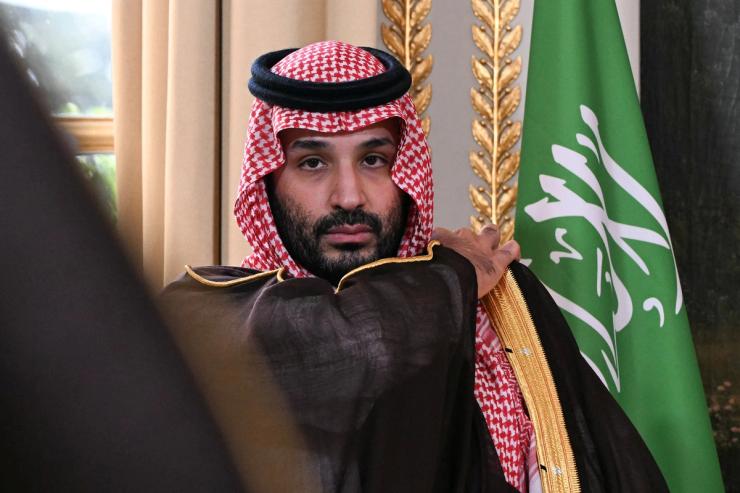
Just four years ago, Saudi Crown Prince Mohammed bin Salman was at the peak of his powers. He was feted by the Chinese president and snubbed the US president, all while sitting atop a gusher of oil wealth that allowed him to pour money into trying to turn his wildest ideas into reality.
Those days seem a long time ago.
This year was always going to be tough for MBS, as Prince Mohammed is widely known. Even before the Iran war, Saudi Arabia’s budget deficit was widening, signature investment projects were being scaled back, and the sugar rush from the sweeping economic and social reforms was wearing off.
US President Donald Trump’s war with Iran, which MBS warned against, has made matters worse. MBS now faces crises on multiple fronts: a global energy shock, a regional security emergency, and a deteriorating domestic economic outlook. Together, they form a perfect storm and expose the limits of his ability to shape events in the region.
Looking through the prism of oil, the attacks on shipping through the Strait of Hormuz and Bab el-Mandeb boosted prices enough to offset lower export volumes. But the short-term gains mask a longer-term risk. Despite heroic efforts to keep crude moving, the Gulf’s reputation as a reliable energy provider has been damaged. The longer the disruption lasts, the more key energy importers will prepare for life without Saudi oil. Consumers will seek alternative sources of hydrocarbons and accelerate investments in renewables. The result could spur a global scramble to pump more oil as quickly as possible, leaving the kingdom fighting to win back market share when the conflict ends amid a glut and lower prices.
But that is the future, and the war may be showing signs of escalation, making MBS’s vision of Saudi Arabia as the center of a prosperous Middle East — a place for international firms to invest, holidaymakers to visit, and the wealthy to buy homes — a much tougher sell. To be sure, as the recent Kuwait oil pipelines deal showed, attracting global capital into some critical infrastructure will still go ahead. But sustained uncertainty will make the kingdom’s diversification push harder to pull off.
The Houthis in Yemen, whom the kingdom has been battling on and off since 2009, have demonstrated an alarming ability to strike deep inside Saudi Arabia, from airports to the Aramco head office, with no regard for civilian lives. Residents and potential visitors are unnerved. If the war with Iran intensifies again, foreign executives will be reluctant to even visit Saudi Arabia, let alone invest in it.
Lastly, efforts to diversify the domestic economy away from oil and build new industries are losing steam. After allocating about 8% of GDP to NEOM, once contract cancellations are included, the government has admitted a costly defeat. Plans for the 2034 men’s soccer World Cup are being scaled back, as are other giant projects. Yet the security crisis and higher fuel costs are pushing expenditure up faster than oil revenues. Government debt is still low by global standards, but is climbing. Higher defense spending will be vital, but won’t do much for economic diversification.
MBS sits in an uncomfortable position, facing the limits of his power. Efforts to get close to Trump by promising investments into the US and putting money into Trump family business interests haven’t translated to leverage in Washington. Despite Riyadh’s $1 trillion US investment pledge, Trump remarked in March that MBS never imagined he’d be “kissing my ass,” a crude display of how roles have been reversed since the prince snubbed Trump’s predecessor, Joe Biden. China, which brokered a rapprochement between Saudi Arabia and Iran in 2023, is either unwilling or unable to help. And despite huge military spending, Saudi forces have struggled to deter their enemies.
The crown prince revealed a bold ambition to transform the kingdom, and the region, by 2030. The vision has never felt further away.

Notable
- Saudi Arabia is one of the world’s top arms buyers in the world. Yet its arsenal but has struggled to keep pace with the Houthis’ tactics, the Financial Times reported.