




Tim’s view
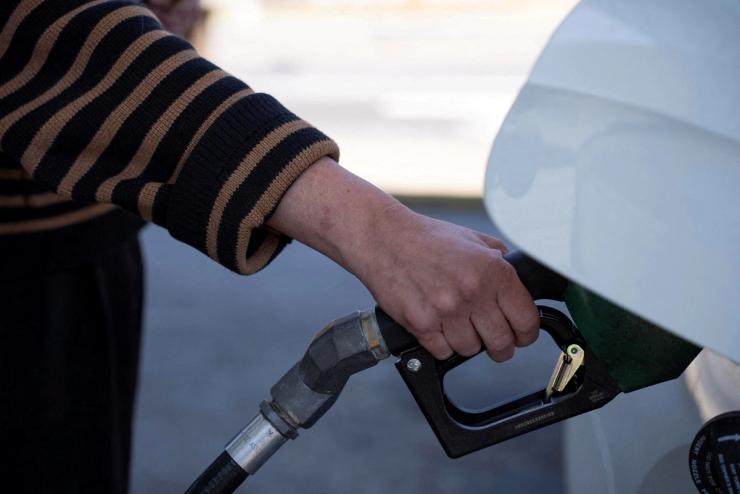
Fossil fuels are an economic liability, and not just because of the war in Iran. Rising energy costs were a major driver of the hotter-than-expected US inflation figures reported yesterday. This fact won’t surprise anyone reading this newsletter. Still, the numbers are pretty astonishing: Behind an overall gain of 3.7% across all goods and services in the past 12 months, gasoline prices are up 34.2%, and fuel oil prices (relevant mostly for home heating) are up 74.2%. The proximal cause is the war, of course, and the figures cement that US President Donald Trump has by now run out of time to change the picture ahead of the midterm election.
But the broader takeaway here is that the inherent volatility of oil and gas prices is a persistent vulnerability in the US economy that can only be solved by limiting exposure to these energy sources. Many politicians before Trump have seen their domestic economic agenda undermined by global fossil fuel price dynamics largely outside their control — an effect European Central Bank official Isabel Schnabel dubbed “fossilflation.” The best evidence of the benefits of a less oil-reliant economy is that inflation isn’t even higher now; during the US oil crises of the 1970s, when cars were less efficient and oil was far more widely used in power and other sectors, Consumer Price Index inflation surged well above 10%. Domestic drilling has put more of the supply-demand balance under US control, but can’t shield American consumers from global price turmoil.
The transition to non-fossil energy has its own inflationary impacts, from the costs to heavy industry of adopting new technologies to the production costs of critical minerals. If the Fed chooses to raise interest rates to tamp today’s inflation down, capital-intensive renewables will suffer. But from an economic standpoint, the best thing about replacing oil and gas with non-fossil electric alternatives is that the energy they produce, in addition to being cheap (although not always to consumers’ benefit, as we discuss below), can be predictably priced. A world with very boring energy prices would be one in which inflation is significantly more divorced from geopolitics.

Notable
- The US is considering lifting sanctions on shadow fleet vessels— which have commonly been used to transport sanctioned oil from producers such as Iran, Russia and Venezuela— to ease record high freight rates, a US official said yesterday.