


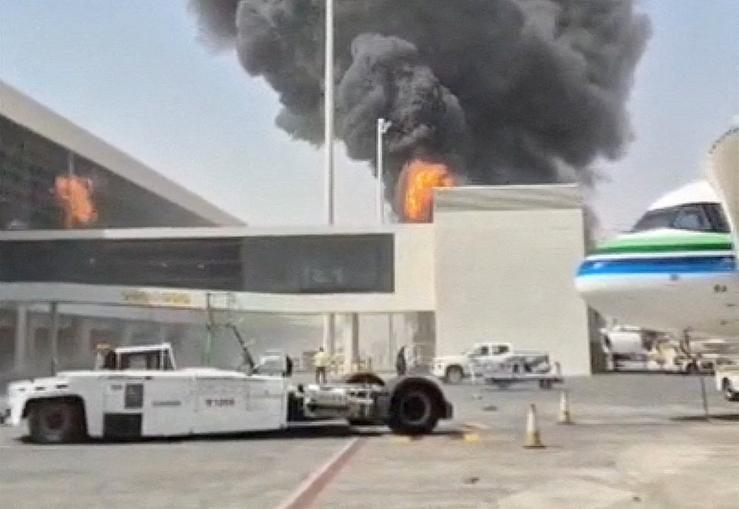
Oil prices ticked down on Tuesday as Saudi oil executives sought to reassure the market following a major attack on the capital’s airport. International energy bosses were largely absent from this week’s World Petroleum Council Energy Congress, held in Riyadh for the first time, after the Houthi attack. The CEOs of BP, Shell, and TotalEnergies, along with a host of international ministers, including US Energy Secretary Chris Wright, dropped out due to the strikes.
That left a thinner-than-expected crowd, mostly made up of local executives, to hear the kingdom seek deeper international cooperation to secure energy supplies and trade routes. Saudi Arabia can build more pipelines and boost storage capacity, but “no one nation, even one as capable and confident as ours, can safeguard them alone,” Aramco chief executive Amin Nasser said.
His comments reflect the growing role of foreign investors in the region’s energy industry, already expanding even before the Iran war. Long relegated to minor roles, the Gulf energy companies increasingly see international energy firms and global investors as an integral part of their plans to lock in customers for their hydrocarbon exports, invest in their infrastructure, and bind other states into their security in a way that the old expectations of oil for security arrangements have failed to guarantee.