




Alexis’s view
“Policy without data is like guesswork.” Ghanaian lawmaker Albert Nyakotey Tetteh was making the case for better use of public sector data in infrastructure development when he said that in parliament last month. But his point rings true more broadly: For decades, a lack of data has held back economic development in countries across Africa.
Countries reeling from supply chain disruptions, energy shocks, and Western aid cuts are trying to comprehend the scale of the challenges they face in order to reset policies. Gathering relevant data is a vital first step to understanding everything from the value of underground mineral deposits to the money held in pension funds. As a case in point, the director-general of the Africa Centres for Disease Control and Prevention recently told me a health ministry audit in one country revealed half of salaried health staff were “ghost workers.”
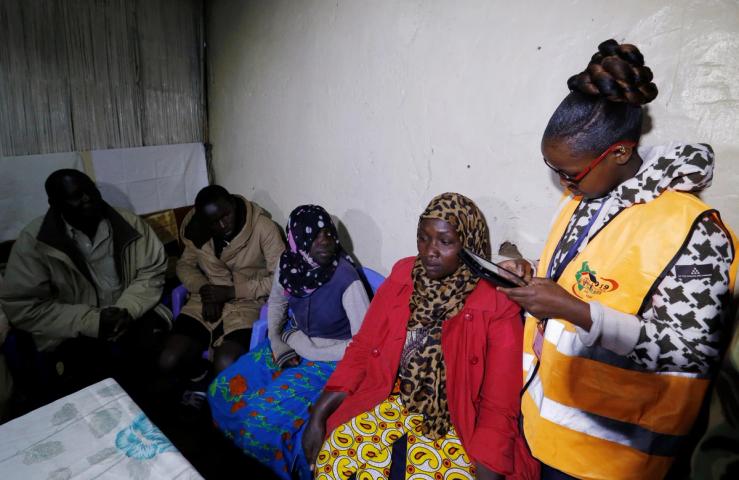
However, shrinking budgets throw up a major challenge. In May, South African authorities said the average annual budget allocation for Statistics South Africa — the government department responsible for gathering and publishing official statistics — had fallen by 23% in real terms since 2019. The knock-on effect is a resource squeeze that has led to surveys being cut. At the same time, questions have been raised about the credibility of its figures. South Africa’s 2022 census missed nearly a third of the population, according to the statistics department’s own follow-up survey. A mismatch on that level distorts how public money is allocated.
The continent’s biggest economy, whose statistical analysis is comprehensive compared with most other African nations, is not alone in its challenges. African statistics offices are under mounting funding pressure, with donor-funded surveys cancelled or delayed since Washington ended funding last year for population surveys whose findings were used by governments to collate public health statistics.
But there is hope. Artificial intelligence can help by improving the efficiency and accuracy of statistical analysis. The UK’s statistics office recently said it is turning to AI to cut costs and improve data amid “squeezed finances.” The impact would be felt even more acutely if African officials use this technology to help take the guesswork out of policymaking.

Notable
- An Israeli team of scientists launched a mobile research lab this year that will collect data across east and southern Africa in an attempt to fill huge data gaps in global climate science.