




The News
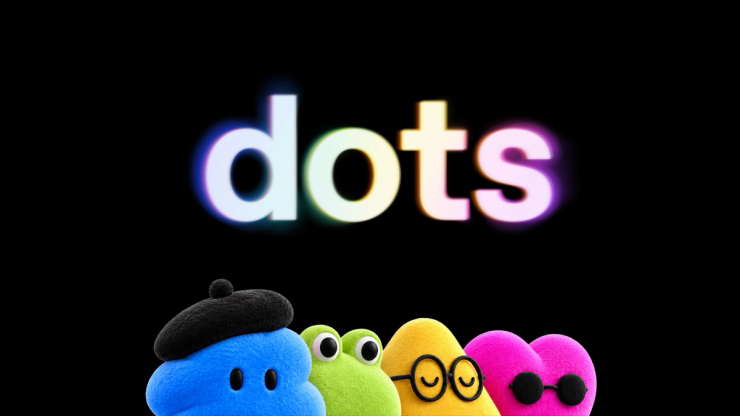
OpenAI on Tuesday launched a personalized agent tool, called dots — a new competitor to Meta’s popular Muse system.
Dots “can do nearly anything,” OpenAI said, and integrates into applications like Slack and Microsoft Teams. People will soon be able to text with their dot, which can take action on a user’s behalf using a separate machine in the cloud.
The launch shows OpenAI is betting it can turn its massive consumer advantage into a win on the agentic side. Meta got off to an early lead with Muse, which has been downloaded more than 3 million times.
Like Muse, dots also features cutesy mascots that users can name, another indication that tech companies are banking on cuddly, personalized aesthetics to push the mass-market adoption of agents, which can access a much wider range of data than an ordinary chatbot and requires little technical know-how.
But the agents’ expanded autonomy has come with friction: Amazon blocked Muse from shopping on its site; a Meta agent also recently gave out a Toronto man’s home address on Facebook Marketplace without his permission.

Know More
Earlier on Tuesday, OpenAI CEO Sam Altman told CNBC he has tried Muse — it “seems like a nice product,” he said — but that he doesn’t feel threatened by Meta’s Mark Zuckerberg.
Tech companies are promoting consumer-oriented and productivity-focused tools amid broader concerns over AI safety with its most powerful models. OpenAI said Monday it was delaying the release of its next-generation AI model, GPT-6.1 Astra, citing internal testing that showed it didn’t meet safety standards.
The company on Tuesday introduced an upgrade to its cheaper, mid-tier GPT-6 Sol model. A host of tech leaders also met at the White House on Tuesday to discuss AI and Washington’s strategy for the technology.