




Tim’s view
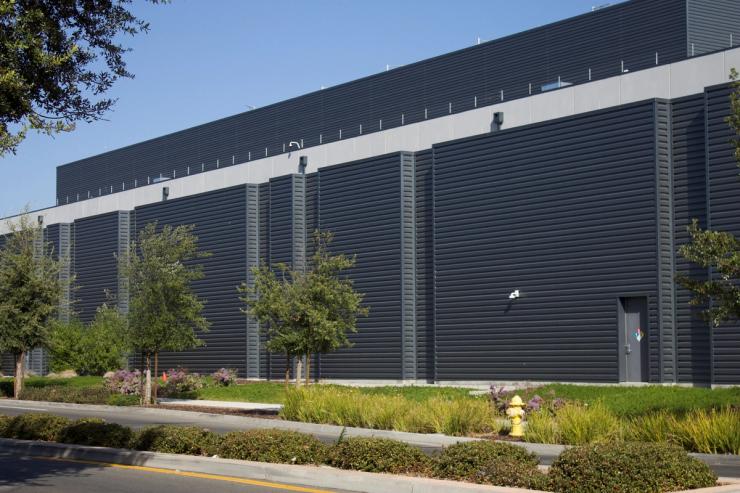
We should probably talk less about data centers. That might sound like blasphemy, and also hypocritical, given how often I do exactly that. To be clear, the challenges have barely begun: What we’re seeing being built today is only a small fraction of the data center capacity in the pipeline. “If there’s a single narrative in the market that is most starkly divorced from the fundamentals we’re seeing on the ground, it’s that the demand for AI infrastructure and the energy that supports it is in some way fragile,” Connor Teskey, CEO of Brookfield Asset Management, told me this week.
But if there’s one thing I took away from New York Climate Week, it’s that the raging debate around AI infrastructure is just the tip of the iceberg of a much larger economy-wide struggle to cope with surging power demand. Between now and 2030, according to S&P Global, only 18% of new global power demand will come from data centers. The rest — air conditioning, onshore manufacturing, electrified buildings and vehicles — will also require an unprecedented and challenging power infrastructure buildout that barely got a mention in the dozens of conversations I had this week.
We can already take a few lessons from the data center experience that will apply to the broader power rush, starting with that it’s a crucible for innovation. “Large loads have been a catalyst to so much new innovation because we’ve never had the opportunity to think about adding net new clean power at a big scale,” Veery Maxwell, founding partner of clean tech investment firm Galvanize, told me. But it’s clear that without more rapid policy reform and technology advances, the imperative of fast growth will lead to the adoption of solutions that are both unsustainable for the climate and economically inefficient, such as installing more behind-the-meter gas turbines. Power project developers and their customers — Big Tech or otherwise — also need to be much more transparent and accountable to the communities they build in to avoid backlashes and blockages that only make the problem harder and more expensive to solve.
Even as policymakers and hyperscalers chip away at the narrow data center challenge, our current moment of AI infrastructure anxiety only proves how much we need to brace for many more difficult conversations ahead.
Thank you so much to everyone who took time to meet me this week. Special shoutout to those of you who joined our happy hour last night, always my favorite evening of Climate Week, which this year brought together people working on critical mineral mining, commercial-scale solar, trade research, energy bonds, low-carbon fuels, Taiwanese drones, environmental lawsuits, and the “Grateful Dead of carbon credits” (although don’t ask me to explain what that last one means). Special thanks to our excellent contributor Chloé Farand, who always makes my life much easier. We’re back to our regular programming next week.

Notable
- Oracle declared force majeure on a giant US data center under construction, showcasing the risks of the AI infrastructure buildout.