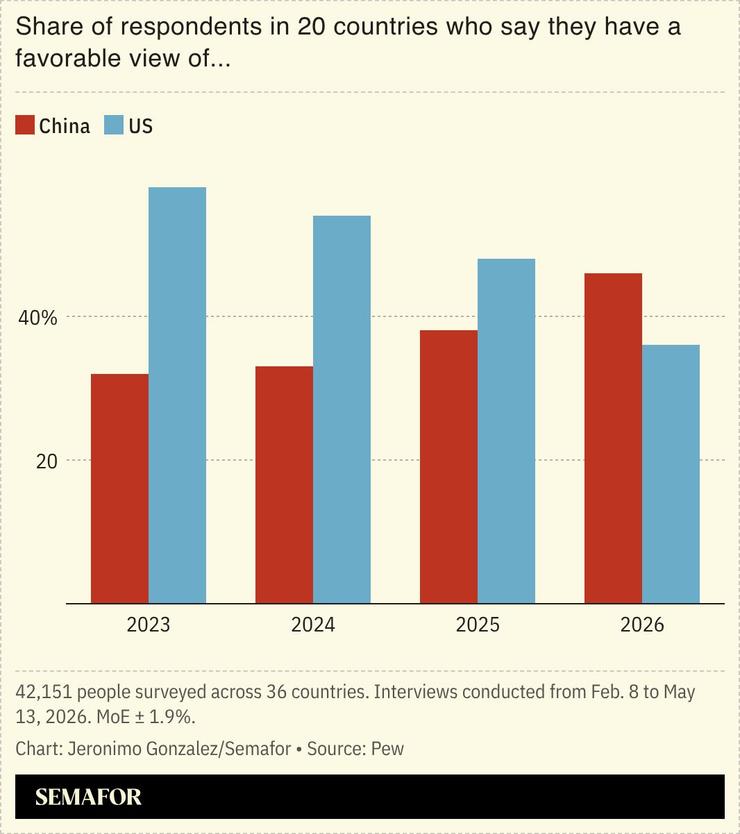
Longtime US allies moved to reduce their dependence on Washington, signaling their anticipation that America’s shifting priorities will outlast President Donald Trump’s time in office.
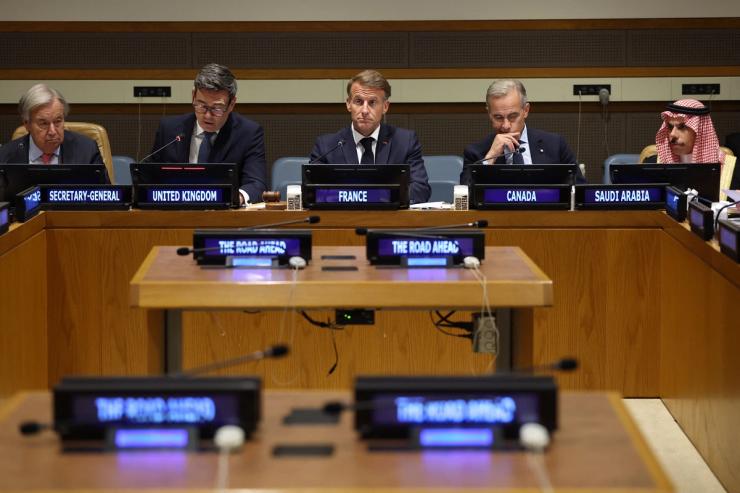
Canada’s prime minister — trying to lead a diffuse band of middle powers navigating the US-China standoff — told The Wall Street Journal he was open to trade negotiations with Washington to end their tariff war, but said he would still seek to diversify Ottawa’s global ties.
Separately, a Belgian foreign ministry document reviewed by the Financial Times noted that US political dynamics were “likely to compromise several vital interests” of the EU. As an Atlantic writer noted, American allies “now figure isolationism and protectionism will be US foreign policy for a long time to come.”