




Tim’s view
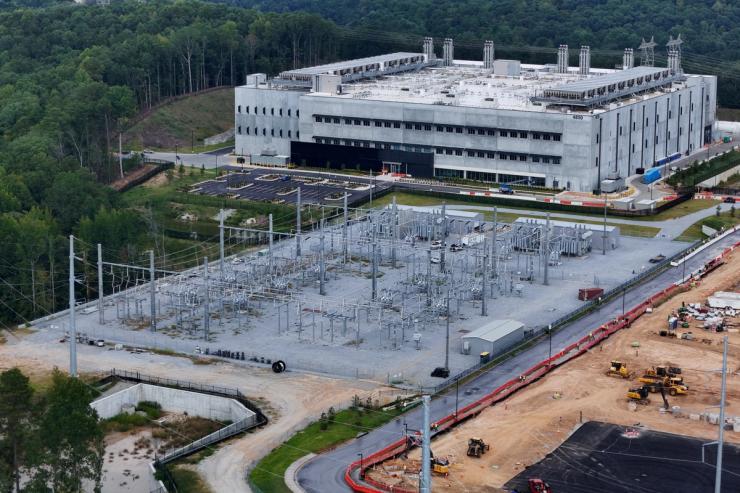
On top of power hardware shortages, angry neighbors, and permitting delays, data center developers have a new headache to deal with: skeptical insurers. Wall Street is more than happy to rain cash down on AI infrastructure. But the insurance industry is still struggling to design and price coverage for these massive, super-expensive buildings, Joe Peiser, CEO of risk capital at Aon, told me Wednesday: “Insurance really is a bottleneck.”
Climate change impacts are one problem: Data centers consume huge volumes of water, leaving them exposed to drought, and many are being planned in places that are prone to floods, fires, tornadoes, or other disasters. Up to 80% of data center projects globally are exposed to such hazards, a recent study from the risk analytics firm First Street found. Investors and insurers are starting to ask developers more pointed questions about the buildings’ physical integrity and siting, Peiser said, and asking for better forecasts about future climate exposure. Data centers are also expensive, reaching into the tens of billions of dollars; insurers are starting to get sufficient capital in place to cover that volume of risk, but are struggling to keep up with the requirements of the biggest hyperscalers. The tightness of the power equipment supply chain is another major risk. If a gas turbine breaks, and the queue for replacement parts takes weeks or months, “that loss to insurers or their policyholder or both is going to be dramatically higher than anyone is currently thinking about,” Peiser said.
Usually insurers have a simple way to deal with novel or unknown risks: Just charge more for coverage. In the case of energy infrastructure and oil tankers in the Middle East that were suddenly exposed to missiles and drones this year, for example, insurers adapted quickly rather than walking away. The same story will apply to data centers; they’re unlikely to become completely uninsurable, even with climate risk. But keeping them covered won’t be cheap. And some critical questions remain unanswered.
If power problems, permitting delays, or extreme weather cause a data center to go offline or drag out its launch date, and a Big Tech company’s AI business suffers as a result, “how do you quantify that, and how do insurers respond?” Peiser said. “I foresee that being a significant mess.”

Notable
- AI data center backlash is partly driven by “fear of the unknown,” Nvidia’s head of sustainability told Semafor at The Next 3 Billion event. He called these fears a “fundamental” human response.