


The global economy has so far shrugged off $100 oil. It won’t forever.
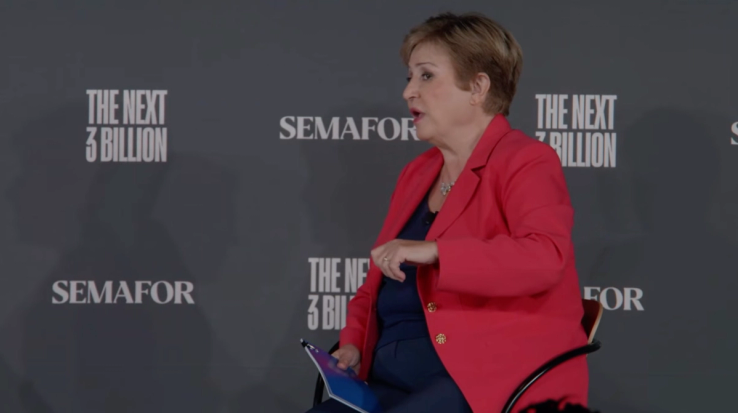
“Winter is coming,” Kristalina Georgieva, managing director of the International Monetary Fund said at Semafor’s Next 3 Billion event in New York, warning that prices will keep climbing.
The Iran war — and the energy shocks that have accompanied it — has elevated inflation globally since February, leading central banks around the world to raise interest rates. That raised their borrowing costs — the US will spend more money this year paying interest on the national debt than on its military — which leaves less to cushion the economic fallout.
While AI has turbocharged economic development globally, counteracting some of the energy shock, the tech falls short of compensating for the full effect of the Strait of Hormuz’s closure.
She’s also watching the economic impacts on the real economy.
“We should prepare for people being more unhappy,” she said. “Maybe on the street.”
She said the IMF doesn’t yet see the demand for AI-related investments crowding out the ability of global governments to borrow, but “it’s possible this becomes a problem so we have to watch it,” she said.
While many market economies “have done miracles to reduce their debt levels, to put in place fiscal discipline and shrink spreads for their borrowing. Now what’s happening is interest rates go up, they’re washing away hard-earned gains in emerging markets. So it’s not competition for money, per se, but it’s the punishment for someone else’s sins that emerging markets have to bear,” she said.