




Tim’s view
Clean energy executives are an increasingly nervous bunch. I moderated a lunch discussion under Chatham House rules at New York Climate Week yesterday made up of leaders from large-scale renewables developers, equipment manufacturers, and tech companies, as well as energy financiers and lawmakers. We were focused on the practical challenges of building the low-cost clean energy the US grid is crying out for, but not getting at sufficient scale.
They all seemed to share a similar perspective: In theory there’s never been a better time to be in this industry, but in practice many potential projects are frozen, raising the risk that investors will miss out on the biggest boom of their careers. Power companies “are excited and scared at the same time,” one participant said. “We’re operating with phenomenal demand and the capital is there, but unfortunately the execution is really difficult,” another added. “There’s no long-term investment horizon, and you can’t build infrastructure like that.”
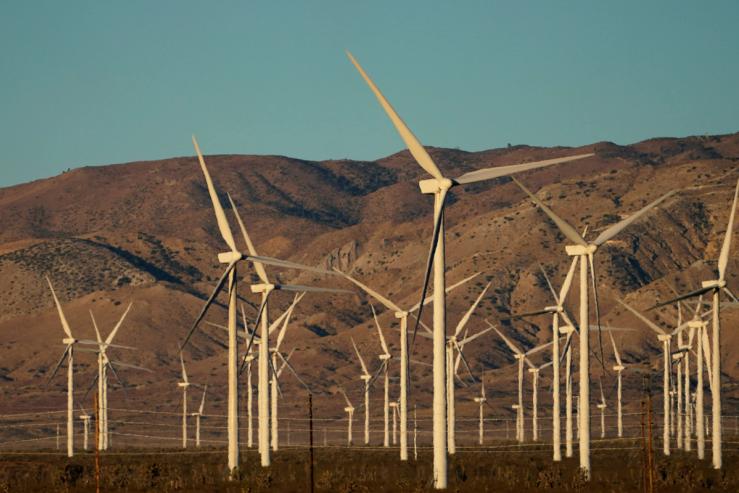
Many of the challenges were familiar. Permitting reform legislation is perennially a hair’s breadth out of reach. The queue to connect to the grid sprawls interminably, as do delivery times for essential hardware. No one seemed particularly bothered about the erasure of tax credits, but plenty were concerned about other steps taken by the Trump administration to impede individual renewables projects, including the Defense Department blockade of onshore wind farms and deals to withdraw leases for offshore wind. Participants were also afraid of the mounting public backlash against data centers, complained that hyperscalers have been “uniquely incompetent” in engaging local communities near their projects, and warned the backlash will get far worse once the more tangible effects of AI proliferation — job loss and cyberattacks, if not a robot apocalypse per se — kick in.
One outcome of all this is that there’s increasing competition for a scarce pool of new, clean electrons. The biggest tech companies are still able to sign deals to get major clean energy projects built, and are doing so at a record pace. But many other potential buyers of clean energy have been priced out of the market — an indication that retail power prices will continue their upward trajectory.
Overall, I found the lunch more depressing than I expected, and revealing of the extent to which the government remains the grid’s worst enemy. “We need to be flooring it,” one participant said. “Instead, there are so many feet on the brakes.”

Notable
- Bipartisan talks to speed up permitting approval for federal energy and infrastructure projects have hit a wall, amid doubts about whether lawmakers can clinch a long-sought deal before the US midterms, Semafor reported.