



The News
The Trump administration is warming to Zambian President Hakainde Hichilema following his disputed reelection despite growing concerns in Washington about a post-election crackdown.
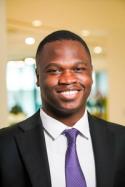
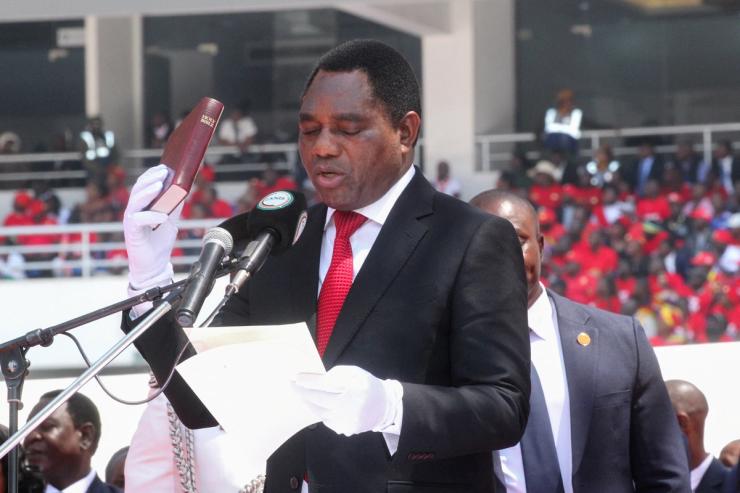
US Assistant Secretary of State for African Affairs Frank Garcia attended Hichilema’s inauguration this week during his second trip to the continent in the role. He also met separately with the Zambian leader. Hichilema said Zambia looks “forward to further strengthening our bilateral relations” with the US.
A State Department spokesperson told Semafor that the trip was a continuation of a decades-old relationship. “After 62 years of diplomatic relations, the United States remains committed to Zambia’s success. We look forward to working with Zambia’s government, private sector, and people to deepen a partnership that delivers tangible and enduring benefits for both countries,” the spokesperson said.
The Trump administration’s posture towards the government in Lusaka contrasts with warnings from Democrats on Capitol Hill, some of whom had urged the State Department before the August 13 vote to press for a free and fair election.
Sen. Jeanne Shaheen, D-N.H., the top Democrat on the Senate Foreign Relations Committee, told Semafor that “democratic backsliding in Zambia is a major concern for the Southern African region,” adding that post-election “violence and arbitrary arrest” are signs of “a clear divergence from Zambia’s legacy of competitive elections and peaceful transfers of power.” She called on Hichilema and his party to move forward with reforms because “clear violations of democratic gains threaten not only the safety and security of Zambians but also the positive relationship the US has built with the Hichilema administration.”
Rep. Gregory Meeks, D-N.Y., the top Democrat on the House Foreign Affairs Committee, urged Secretary of State Marco Rubio to “call on President Hichilema to release the electoral results from Zambia’s polling stations, investigate the fatal shooting of former minister Mutotwe Kafwaya, and allow the courts to hear legal challenges.” He cited the need for a “firm response” ahead of upcoming elections in Angola, Kenya, and Nigeria. Kafwaya was killed during a police raid on a house occupied by opposition leaders following the August election.
Senate Africa subcommittee ranking member Cory Booker, D-N.J., called the killing of Kafwaya and the arrests of opposition members “deeply concerning.”
A representative for Senate Foreign Relations Committee Chairman Jim Risch, R-Idaho, declined to comment. Other Republican lawmakers working on Africa policy did not return requests for comment by press time.

Step Back
Zambia’s election commission declared Hichilema the winner on August 18 with about 60% of the vote against opposition candidate Brian Mundubile’s roughly 38%. Mundubile has alleged irregularities and election observers have also reported inflated vote tallies and improper administration. Authorities sealed off the courts on the final day to file an election petition, clearing the way for Hichilema’s inauguration.
Post-election crackdowns left Mundubile and many of his allies facing treason charges that a UN human rights official called “concocted.”
Zambia is central to the US-backed Lobito Corridor linking Angola, the Democratic Republic of Congo, and Zambia’s copper belt to the Atlantic. But ties between the US and Zambia frayed this year following reports the State Department was tying health funding to preferential mineral access for US firms, a plan that Zambia rejected.