




The Scoop
The rush by AI hyperscalers and their Wall Street backers to build billions of dollars’ worth of data centers and associated energy projects has set off fierce competition for talent among major law firms.
A few years ago, electricity-related dealmaking was a backwater at many Wall Street firms, often immersed in staid regulation and involving relatively small deals. That has completely changed, attorneys at several big firms told Semafor. Faced with a deluge of deals for the construction, powering, and operation of AI data centers, most have set up dedicated digital infrastructure desks — drawing in lawyers specializing in energy, real estate, insurance, finance, and other fields — which have quickly become among the busiest and most lucrative in the office.
“Personally, I’ve done $110 billion worth of deals in the last 12 months,” said Melissa Kalka, a partner on the digital infrastructure team at Kirkland & Ellis, which now counts more than 100 people. “This is the most dynamic industry in the economy right now,” she said. “Having a firm that can be nimble from leadership down is what will make you successful or not.”
In this article:

Tim’s view
The potential future winners from the AI boom are still being decided, with a lot of risk still present for many players in the ecosystem: Hyperscalers are taking on massive debt; private equity is piling into new power plants that could end up struggling to find customers; power equipment manufacturers are being cautious about scaling up factory lines; utilities are under immense political pressure to keep their costs down.
But for a law firm ready to convert AI mania into billable hours, there’s a ready payoff at hand. Data centers make good work for Big Law: They’re complex legal beasts with many moving parts, from land and cash to gas turbines and GPUs. They require contracts where no boilerplate language or precedent exists, and where the only real guide to normal market conditions is the last project someone announced. And the range of legal skills required to bring a project from concept to operation creates opportunities for big firms to pitch clients on a long list of services.
Much of the work is also focused on building guardrails to protect clients from lawsuits — coming from business partners, local officials, or angry neighbors — in an industry that has an increasingly visible target on its back. When the wave of data center dealmaking crests in the years ahead, the wave of data center litigation will likely be close behind.
“We’ve seen the scale and complexity of the assets, the transactions surrounding them, and ultimately the legal and commercial risks that our clients are going to need to navigate, change dramatically,” said Heather McDevitt, chair of White & Case. The firm has advised on more than $100 billion in data center deals in the past few years, she said, and set up a dedicated practice last year, supported by new hires in the US, Europe, and Asia. A bigger team is also important because there’s pressure to act fast: “We’re seeing deals that could have taken 3-6 months being done in 3 weeks,” said Barbara Melby, a partner at Morgan, Lewis & Bockius.
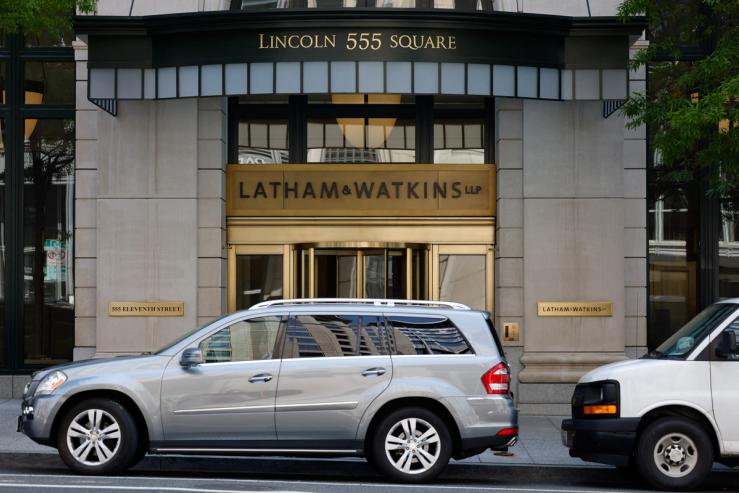
That means there’s also cut-throat competition between firms for talent, all the firms I spoke to said, with higher pay and promises of more rapid deal flow. More summer interns and recent law school grads are looking for spots on data center teams. But because so much of this field is brand-new, there’s still a deficit of experienced lawyers, which creates a “challenge of maintaining quality while continuing to grow,” Latham & Watkins partner Chirag Dedania said. Still, there’s little alternative to hiring: “It’s about self-preservation, and whether you want to sleep.”

Room for Disagreement
The hiring scramble has led some lawyers to overstate their credentials, an attorney at one major firm told me: “When you go on LinkedIn or read firms’ web pages, everybody and their brother is a digital infra and power lawyer now.” Conversely, for some young attorneys with an interest in the energy transition, the fact that much of the data center buildout is being powered by new natural gas plants has been a turnoff for joining digital infrastructure teams, another said.

Notable
- Congressional Republicans remain divided on their response to the data center backlash. US President Donald Trump’s comment that data center opponents want to “end up being backwards and poor” is fueling further dissent within his party.