


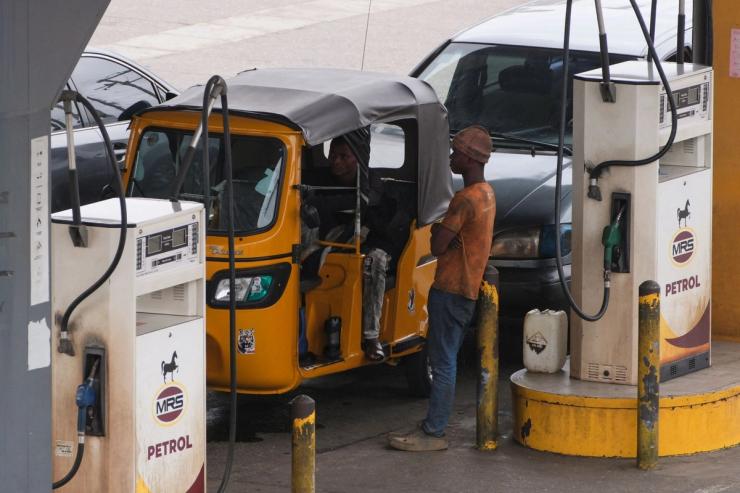
The scrapping of Nigeria’s fuel subsidy by President Bola Tinubu’s administration has emerged as a key battleground ahead of the country’s elections. The opposition African Democratic Congress said it will anchor its campaign on a promise to reinstate the multibillion-dollar program, whose removal three years ago drove up food and transportation prices to create a cost-of-living crisis that still persists in Africa’s most populous country.
ADC is the party of Atiku Abubakar, a former Nigerian vice president who is one of two leading challengers to Tinubu in the presidential poll to be held in four months. He has pledged to restore a “targeted subsidy” that would differ from the one Tinubu removed, a move his party said is justified “because Nigerians are too poor not to be subsidised.”
Abuja argues that the removal of the fuel subsidy, which cost $10 billion in 2022 — the year before Tinubu took office — was needed to reduce the country’s yawning budget deficit and that shelving it has led to a higher amount of revenue distributed monthly to states. The IMF last year credited the subsidy removal as one reason for Nigeria’s “improved macroeconomic stability and enhanced resilience.”