




The Scoop
Meta has disabled the photo- and video-taking abilities for thousands of its Glasses users after detecting they had tampered with the light that discloses that the device’s camera is on.
The company recently rolled out an update that can detect whether the LED light has been covered or destroyed, following reports that some wearers were recording random people without their consent or harassing people to film content for social media.
Meta now estimates that less than one tenth of a percent of all glasses sold have been tampered with, Alex Himel, Meta’s vice president of wearables, told Semafor. The company didn’t provide specific figures, but 7 million glasses were sold in 2025, and with this year’s sales so far, that puts the likely number of offenders in the thousands. Those individuals won’t be able to use the camera on their glasses, leaving them with a pair of expensive Bluetooth headphones.
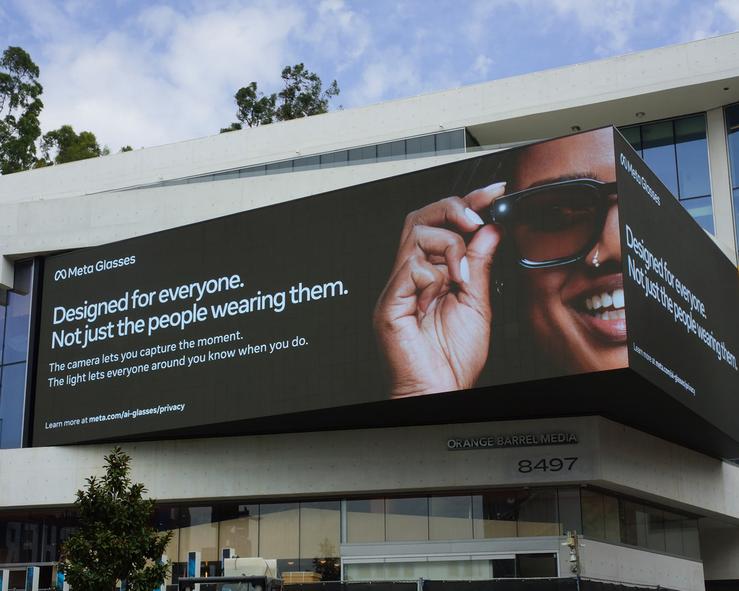
Meta is also rolling out a marketing campaign on social media and billboards aimed at increasing public awareness about how to know when someone is recording with the glasses.
“It’s been a little bit of a cat and mouse game,” Himel said, adding that “I don’t think we’ll ever be done… There’s always new ways to get around the safeguards that are in place. So we’re going to keep monitoring and evolving the measures that we have.”
In this article:

Know More
Several workplaces have banned the devices amid a wider populist backlash against technology, especially devices with cameras on them. Flock Safety, which makes license-plate readers, has been embroiled in a firestorm after revelations that police officers abused their access to the surveillance tech.
Himel framed the discourse as a reaction to a new form of technology: “You saw similar things earlier in history when there were new types of cameras,” he said.
Meta is also positioning the glasses as a useful tool for the blind and low-vision community. Someone who is partly or fully blind can ask the glasses to read a menu in front of them. The tech giant is donating 130,000 glasses to legally blind US veterans.
Himel said the company is “very interested” in getting the glasses classified as an assistive device by US government health agencies, which could open the door to coverage under programs like Medicare and Medicaid. Facial recognition is also a frequent request from the accessibility community, but “that’s not something we’re looking to do right now.”
Disability advocate Keri Gray, who was previously on the advisory board for Meta’s Reality Labs, said she has noticed an uptick in usage of the glasses among blind individuals, but acknowledged the privacy risks that tech like facial recognition can pose.
“There does have to be regulation, and there should be places and moments that can be sacred to people,” Gray told Semafor.

J.D.’s view
Flock and Meta Glasses are quite different types of camera tech: Flock is constantly recording but tracks limited data (license plates and vehicle details), while Meta glasses aren’t always recording, but when they are, they capture full video and audio of whatever’s in front of them. But both fit a category of technology that has some clear benefits, but also clear avenues for abuse.
For both companies, the offenders make up a minority of users, and they’re taking steps to curb misconduct. But it’s unclear if the public — as well as regulators and lawmakers — will be willing to tolerate even that level of risk.

Notable
- Candidates across the US are running political campaigns that represent a marked shift from the techno-optimism of the past, Semafor’s David Weigel wrote. “This is just not a year to tout transformation.”